
Board debate over bills and claims process surfaces transparency concerns; member declines participation
Get AI-powered insights, summaries, and transcripts
Subscribe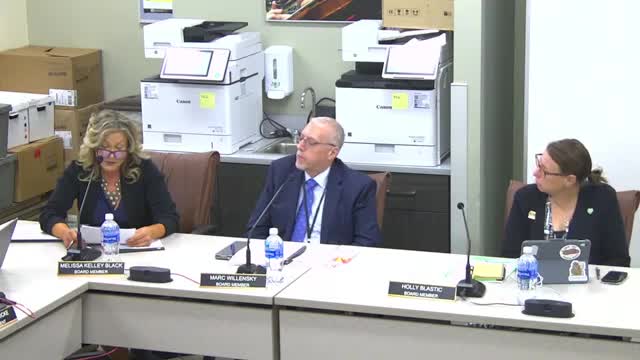
Summary
A sharp exchange among board members over the monthly bills and claims review exposed a disagreement about transparency and legal risk: one board member said available documents lack ISBE fund/object codes and refused to sign off; others defended the established process and encouraged shadowing and training.
A contentious exchange on Aug. 4 among Naperville Unit 203 board members revealed deep disagreement over the district's monthly bills and claims review process and what documentation is needed for meaningful fiduciary oversight. Board member Melissa Kelly Black said she will not sign off on bills and claims in the current format because the posted materials lack what she described as necessary detail — ISBE fund and object codes, departmental designations and descriptions that allow a board member to assess whether expenditures align with policy and law. “Without this information, I cannot reasonably determine whether the spending aligns with district goals or complies with state requirements,” she told colleagues. Other board members, including Amanda McMillan, Mark Walinski, Christine Gerke and Holly Blastic, defended the longstanding bills‑and‑claims practice, describing it as a granular, rotating review that gives board members oversight without requiring every member to examine every line item each month. Several board members who had shadowed the process praised district staff for providing additional explanations and documentation during the review and noted an attorney’s memo previously provided to the board that affirmed the practice. The exchange became heated at times, with accusations about professionalism and past behavior; board leaders directed members to follow formal processes for adding agenda items and promised to provide opportunities for training and shadowing. Board practice remains unchanged; the monthly bills‑and‑claims schedule and rotation was described as published in BoardDocs and a standing responsibility for the board. Why it matters: Bills and claims is the board's primary monthly oversight activity for district expenditures. Disputes over the transparency and sufficiency of documentation raise questions about internal controls, board processes and how the board will exercise fiduciary oversight going forward. Next steps: Board leadership said they will provide information about the published bills and claims schedule, encourage members to use shadowing/mentoring opportunities, and offered to review what additional documentation could be provided while accounting for student privacy and vendor confidentiality. Ending: No formal change to the bills and claims process was adopted at the meeting; the board approved the listed board member expenses that were on the agenda by roll call vote.