
Teachers, parents and students press Naperville 203 board for a ‘fair contract’ as strike threat looms
Get AI-powered insights, summaries, and transcripts
Subscribe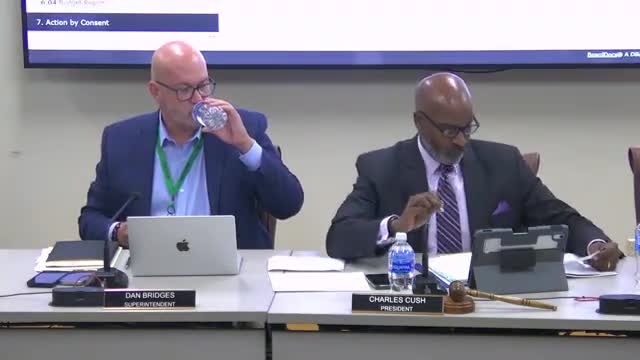
Summary
At the Board of Education meeting Aug. 18, hundreds of community members turned out during the public‑comment period to press the board and administration to reach a new contract with the Naperville Unit Education Association (NUEA) and to halt what teachers described as public communications that vilify bargaining efforts.
At the Board of Education meeting Aug. 18, hundreds of community members turned out during the public‑comment period to press the board and administration to reach a new contract with the Naperville Unit Education Association (NUEA) and to halt what teachers described as public communications that vilify bargaining efforts. Commenters said negotiations have stalled since the union’s contract expired June 30 and that the district’s messages to the community have undermined trust.
The comments came from long‑tenured teachers, parents, retirees and students who described rising workloads, stagnant take‑home pay and a lack of respect from district leadership. Susan Farnon, identified in public comment as a District 203 taxpayer and a 33‑year neighboring‑district special education teacher, told the board, “District 203 is not broke.” Alicia Horn, a teacher and parent, detailed differences between teacher and administrator benefits and called the gap “troubling.”
Union leaders framed the issue as both financial and procedural. Rob Hunt, junior high executive for the Naperville Unit Education Association, said NUEA bargaining has logged more than 160 hours at the table and that “5 of your last 6 contract negotiations with District 203 locals have ended in federal mediation.” He and others urged the board to return to the table with “a genuine commitment” to reach a tentative agreement.
Several speakers disputed the district’s repeated claim that it cannot afford the union’s proposal, citing the district’s reported fund balance, cash‑on‑hand totals, and previous tax abatements. “The resources are there,” Hunt said, referencing board figures showing hundreds of days of cash on hand and past tax refunds to residents. Other speakers pointed to comparisons with nearby districts’ salaries and urged the board to prioritize classroom salaries over capital projects or administrative spending.
Teachers across grade levels raised workload concerns tied to new initiatives and to a proposed “innovative school experience” that would change start/end times and introduce block scheduling at some levels. Several commenters said the district has tried to insert language that would permit that new school day into a contract before stakeholders had final input. “If that’s important to you and you need our labor to do it, pay us to do it,” said Lynn Hanley, identified as a social studies teacher and NUEA member. Many teachers warned that extra unpaid planning time to accommodate a new schedule would be untenable.
Union and community speakers repeatedly emphasized that educators do not want a strike but said they see limited options if bargaining does not advance. Colin White, a nine‑year teacher at Naperville North, criticized board communications about a strike and called a recent board message “misleading,” while acknowledging that the union has said it does not want a work stoppage. Parents and students also urged the board to reach a deal quickly; a Naperville Central senior said a strike would disrupt athletics and scholarship opportunities.
The board did not take formal action on contract terms during the meeting. Superintendent Dan Bridges was designated as the district’s designee to respond to operational questions raised during public comment, as noted on the record during the meeting. Board members and the superintendent acknowledged they had received written questions from trustees before the meeting and said the administration would return with information. Negotiations were reported to continue the following day.
What happened next: There was no vote on any contract language at the Aug. 18 meeting. Board members approved routine business items later in the session — including bills and claims, personnel matters and minutes — but the contract dispute remained unresolved. Union leaders and teachers said they intend to continue pressure for a “fair contract,” and they left the board with a public record of repeated concerns about compensation, benefits and implementation of a proposed new school day.