
Chaffey County business owners urge delay as commissioners weigh up to 4% lodging tax increase
Get AI-powered insights, summaries, and transcripts
Subscribe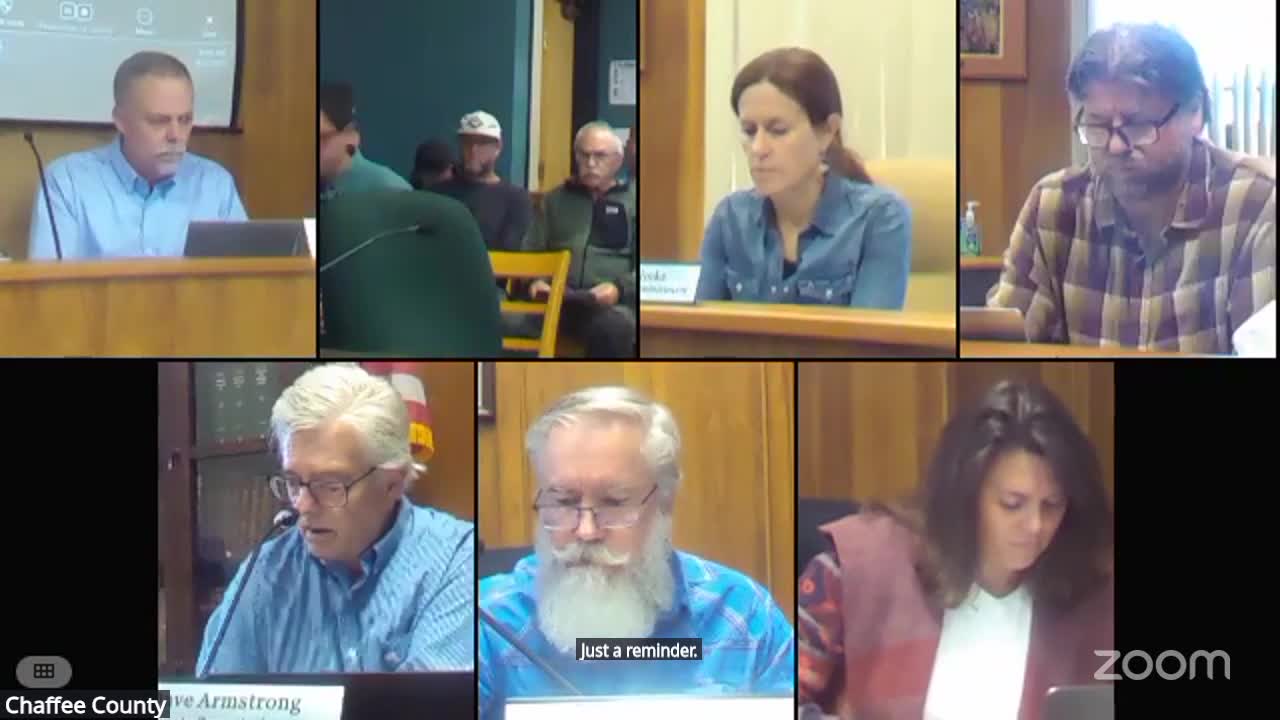
Summary
Dozens of Chaffey County lodging operators urged the county commissioners to postpone or scale back a proposed lodging tax increase that could raise local collections by millions; commissioners discussed allocations for tourism marketing, roads, public safety and municipal distributions but did not adopt final ballot language at the meeting.
Dozens of lodging operators and related business owners told the Chaffey County Board of County Commissioners on Sept. 2 that a proposed increase in the county lodging tax should be delayed, scaled or clarified before being placed on a ballot. Public commenters said the proposal — which under state law would allow the county to adopt up to 4 percentage points of additional lodging tax collections — would raise costs for visitors and could reduce occupancy and local revenue unless the levy and its uses are clearly explained.
Why it matters: Lodging tax revenue is a major funding source for county tourism promotion, local municipal services and transportation projects. Business owners said sudden, large increases risk lowering occupancy, harming employees and widening confusion about which entities benefit from new collections.
At the meeting, multiple hoteliers and rental operators from Buena Vista, Salida and other Chaffey County communities described how the proposed change would affect their pricing and operations. Brent Jewell, owner of the Best Western Vista Inn, said raising the tax would change the total price visitors pay and could reduce occupancy and staff hours at his property. "If occupancy declines, it will directly affect their hours, their paycheck, and their ability to support their families," Jewell said during public comment. Jillian Shanofsky, secretary of the Chaffey County Visitors Bureau and owner of Creekside Chalets, asked the commissioners to delay implementation to watch how other Colorado counties use similar measures and to preserve competitive positioning.
Business owners pressed two main points: first, that the county should guarantee a larger share of any increase go to tourism marketing rather than general funds; and second, that a phased approach or delay (for example, waiting until 2026 or a stepped increase over time) would reduce risk to small operators. Multiple speakers said that historically about 60% of the local Visitors Bureau budget had been redirected away from tourism promotion into housing and childcare programs, leaving the marketing budget smaller than before.
Commissioner discussion and staff context: Commissioners described draft allocation scenarios discussed by staff. One proposal described at the meeting would direct roughly $1,000,000 to road and bridge, about $800,000 to public safety, and about $800,000 to municipalities, while increasing the Chaffey County Visitors Bureau budget by an amount intended to nearly double its current marketing capacity. Staff also explained that some road and bridge funding streams are constrained by state law and that the Highway User Tax Fund (HUTF) and payments in lieu of taxes (PILT) are variable; staff noted PILT typically totals about $1.6 million but is not guaranteed annually.
No final vote on ballot language: Commissioners did not record a formal vote at this meeting to adopt final ballot language; instead, the board discussed options including placing the full permitted increase on the ballot (which would give the county flexibility up to the statutory maximum), phasing any increase, or adopting written implementation guidance in a resolution or intergovernmental agreement. A staff member told the board the statutory deadline to finalize some ballot language elements was imminent, and commissioners indicated they would continue one-on-one outreach with the lodging community and consider follow-up meetings.
What remains unresolved: Commenters requested clarity on who must collect the tax (hotels, short-term rentals, or all lodging), how revenues would be allocated and how increases would be phased. Several business owners advocated delaying the proposal so Chaffey County can observe effects in other counties, and some suggested a stepped implementation if the measure passes. Commissioners asked staff to draft implementation options and encouraged lodging operators to meet individually with commissioners or staff to provide input.
Looking ahead: The commissioners said they are open to further discussion and to adjusting allocations and implementation mechanisms before any final action. They also asked staff to circulate draft allocation scenarios and to continue outreach to municipal partners and lodging operators.