Get Full Government Meeting Transcripts, Videos, & Alerts Forever!
Get email alerts on the Memorials And Public Art topic
No spam. Unsubscribe anytime.
Residents propose memorial garden and repurposing of rusting “memorial fish” near Nugent Park bridge
Summary
A long‑time Umatilla resident urged the Parks & Recreation advisory committee to preserve and repurpose the city’s rusting metal “memorial fish,” proposing a memorial garden near the new pedestrian bridge as staff outlined options for restoration or reuse.
Crystal White, a long‑time Umatilla resident, told the Parks & Recreation advisory committee the surviving “memorial fish” sculptures — many of which bear donors’ names — are deteriorating and should be moved or repurposed where they can be appreciated. “We are still kind of in the works,” White said. “I’m hoping … to put those in a location where they can be appreciated.”
City parks staff told the committee the metal fish are corroding and described three preservation options: mechanical restoration (grinding to bare metal and welding), a chemical stabilizing treatment that seals the existing patina, or leaving them in place and creating a nearby memorial garden with plaques or stepping stones. A staff speaker said the chemical treatment “strengthened the metal [and] sealed in the patina” on one sample and could “buy us some substantial amount of time.”
White said the memorials matter to donors and families who want small, affordable ways to commemorate loved ones — for example, stepping stones, plaques or benches — and suggested combining the fish with a small garden where relatives could visit and help maintain plantings.
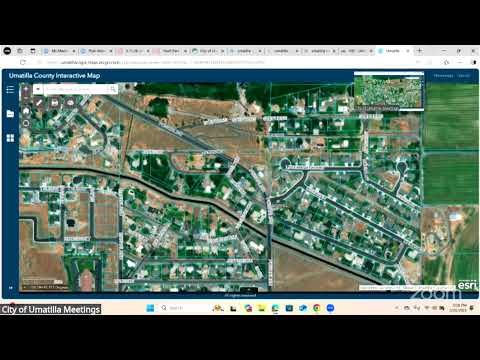
Staff also warned the group that many parcels near the bridge are subject to federal or state permits. The area around the new bridge and trail is largely parkland purchased with a Land and Water Conservation Fund (LWCF) grant; the city’s staff said LWCF and other regulatory requirements will affect what can be added near the river. The staff speaker noted coordination is required with the State Historic Preservation Office (SHPO) and the Confederated Tribes if ground disturbance is proposed because the site lies in an area with documented cultural resources.
Committee members discussed whether to weld fish to the new pedestrian bridge, move them to a riverfront garden, or coordinate with families to return pieces to owners. Staff cautioned that the fish were made of variable metal quality and that a safe long‑term weld would require scrapping to bare metal, welding by a certified fabricator, and then chemical sealing. Staff said replicable, modern options are also available — including laser‑cut plaques or QR codes linking to memorial web pages — if the committee wants interpretive elements.
No formal action was taken on the memorial items at the meeting; staff asked the committee to consider whether it wants to recommend a memorial garden site or direct staff to pursue restoration options.