
Council approves $25,505 write‑off of long‑uncollected utility accounts after debate
Get AI-powered insights, summaries, and transcripts
Subscribe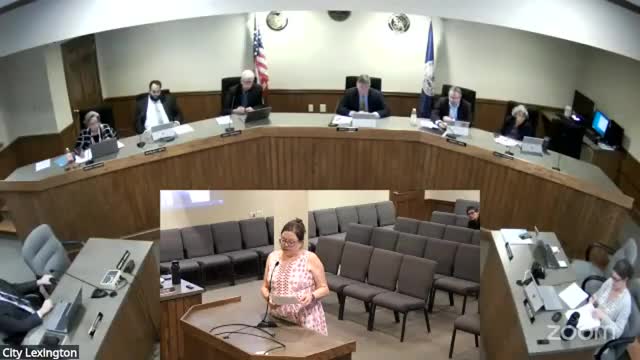
Summary
City staff asked council to write off $25,505.03 in utility accounts that staff say are unlikely to be collectible. Council approved the resolution after discussion about collection options and property owner liability; the vote was not unanimous.
City staff asked Lexington City Council to write off $25,505.03 in long‑uncollected utility accounts during the meeting, citing age and the cost of collection. “We are asking to write off as bad debt $25,505.03,” Finance Director Jennifer Veil said.
Veil told council the largest portion of the total dates to fiscal 2020, when the pandemic and two hotel ownership changes produced accounts the city has been unable to collect. Staff and the city attorney advised that the age of the accounts and collection costs make litigation or other legal action unlikely to be productive.
Council members questioned whether the city had pursued third‑party collections or whether property owners bear responsibility when renters leave unpaid balances. Veil and other speakers noted the city collects deposits for utility service and that long‑outstanding accounts were not actively using service. A member with property‑management experience recommended cleaning the books for auditor review and said a collection firm could be considered for future efforts.
After discussion, a motion to approve Resolution 2025‑12, authorizing the write‑off of the bad debt, carried; the clerk recorded the tally as five votes in favor and four against. The mayor pro tem called the outcome “not unanimous, but it does pass.”
Why it matters: writing off long‑aged receivables is an accounting housekeeping step auditors commonly recommend; council’s split vote reflects differing views about collection strategy, landlord responsibility, and whether to pursue third‑party collection in future.
Less critical details: Staff said they will confirm whether any of the written‑off accounts remain active and will revisit procedures to prevent accrual of similar long‑aged debt in the future.