Fire marshal proposes expanded certificate pay, new health‑investigator role to strengthen inspections and enforcement
Loading...
Summary
The county fire marshal presented a draft policy adding certificate pay for fire‑and‑public‑health certifications, proposing a new ‘health investigator’ designation to let trained county staff carry enforcement from inspection through misdemeanor citation, funded from fire‑code revenue rather than the general fund.
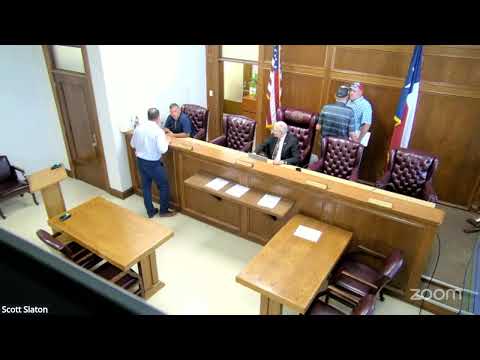
The Fire Marshal presented a draft county policy (proposed “2 A‑20”) to expand certificate pay for employees who hold fire and related public‑health certifications and to create a new Local Health Authority (LHA) designation, a “health investigator,” that would allow trained staff to carry environmental‑health investigations through enforcement. "That's what I would like to . . . address is getting those things done," the Fire Marshal said. He described the revisions as intended to cross‑train staff so more than one person can fill critical duties when someone is absent.
The proposal covers certifications from the Texas Commission on Law Enforcement (TCOLE) and the Texas Commission on Fire Protection (TCFP), plus a county designation tied to the Texas Commission on Environmental Quality (TCEQ) “designated representative” process for on‑site septic approvals. The Fire Marshal said TCFP certifications require annual continuing education and gave an example: "I have 8 disciplines within TCFP. So 8 times 18, that's how many hours of continuing education I have to do in a year." He described the designated‑representative training as a weeklong class followed by an approximately three‑month certification process for staff who inspect and permit septic systems.
Under the draft, the LHA‑designated health investigator would be able to investigate environmental crimes, illegal dumping and abatement issues and — once signed off by the local health authority — "actually issue the citations up to a class A misdemeanor," the Fire Marshal said. He said the change would reduce the number of times certified law‑enforcement staff must drop other work to complete enforcement steps, and would create more efficient handoffs for inspections, evidence handling and enforcement.
A commissioner asked how the proposed pay would be funded; the Fire Marshal said the fees collected by the Fire Marshal’s office are deposited into a separate fire‑code enforcement account under the Texas Government Code and would be the source for certificate pay. "Any fees or fines collected that are fire code enforcement related shall be deposited into a fire code enforcement account," he said, adding that the account cannot be transferred into the county general fund and that he must articulate how expenditures enhance fire‑code and safety functions.
Commissioners and staff also discussed how the certification pay would apply to current employees. One commissioner read projected numbers from the draft pay schedule and said the Fire Marshal "would be eligible currently" for $3,720 in certificate pay; the Fire Marshal confirmed. The draft also lists potential certificate pay for an evidence technician and specialized pays (for instructors, HAZMAT, EMT credentials, etc.), and requires that applications be filed in human resources and signed by the Fire Marshal before pay is issued.
The Fire Marshal said the office also needs more inspection capacity for large industrial sites and battery‑energy‑storage oversight; he noted that counties seeking to regulate such facilities face legal limits but that a unified approach across the county’s elected officials, the district attorney and the fire marshal improves enforcement and messaging. He said the office currently inspects more than 70 Tier‑2 facilities that require annual inspection, and that dedicated part‑time inspectors devoted to those inspections could pay for themselves through collected fees.
Status and next steps: commissioners discussed the draft and asked clarifying questions about who would qualify and how pay would be implemented. One commissioner proposed setting the LHA certificate pay at $500 to start, with a later review; no formal adoption vote was recorded in the meeting minutes. The item will be considered as the budget process continues.