
City presents $329 million capital improvement plan; 6 miles of repaving planned for FY26
Get AI-powered insights, summaries, and transcripts
Subscribe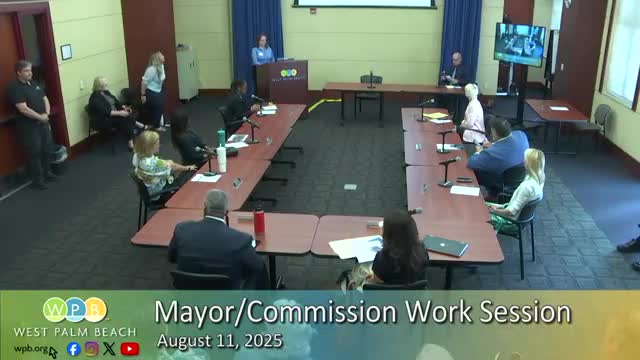
Summary
Engineering staff presented a Capital Improvement Program update covering roughly $329 million in budgeted projects, 97 projects across FY25–FY26 valued at about $96 million, and a FY26 milling and resurfacing plan that aims to repave 6 miles and spend about $4.8 million on road work next year.
City engineering leaders on Aug. 11 briefed the commission on the Capital Improvement Program (CIP), saying the city has approximately $329 million in budgeted capital projects and expects to complete dozens of projects over the next two fiscal years.
Kevin Bulbrick, director of engineering services, and Vladimir Geno, the city’s CIP manager, told the commission that the city completed about $3.6 million of roadwork this past year (about 4 miles) and is budgeting about $4.8 million to pave approximately 6 miles in fiscal 2026. Across FY25 and FY26 the staff said the city intends to complete roughly 97 projects valued at about $96 million.
Major points
- CIP size and funding: Staff said the CIP contains roughly $329 million in budgeted projects funded from a mix of sources including gas tax, utilities, CRA, parking revenues and grants. The presentation highlighted several grant-supported items, including a $21.4 million grant package for Kerry Park and a roughly $3.9 million Florida Commerce award for fire-station hardening.
- FY26 and beyond: For FY26 staff identified about 59 projects totaling roughly $71.2 million, including streetscaping, lift-station rehabilitation, park and recreational facility improvements, roofing at fire stations, and undergrounding and hardening projects. The FY26 milling and resurfacing program focuses on 29 pavement segments that together make up about 6 miles scheduled for repaving next year; staff plan 9 miles in FY27.
- Coordination to save money: Kevin Bulbrick described coordination between underground utility work and repaving. Asked about South Flagler repaving, engineers said the city will defer repaving a section of South Flagler until title-valve and utility work is completed to avoid repaving and then having to reopen the surface. "We don't wanna go do that, repave the road, and then have it all tore up," Bulbrick said, explaining the sequencing saves dollars and reduces rework.
Public access and tracking
Engineering staff said the pavement-condition index (PCI) is available on the city's engineering website and that the CIP webpage is updated quarterly. Staff described neighborhood outreach, notices to adjacent property owners, press releases and ceremonial groundbreakings and ribbon cuttings as part of public engagement.
Questions and clarifications
Commissioners asked about schedule variability and whether the city tracks schedule slippage. Staff said complex projects (for example large redevelopment or multiagency projects) can take several years; they monitor progress and coordinate contractors when unexpected items arise. Commissioner questions also prompted staff to confirm they will provide additional details, such as where a particular street (South Flagler) sits in the repaving schedule.
Ending
Staff concluded by noting many projects are already in design and that further funding and permitting steps will determine exact schedules. No formal action was taken; staff requested continued direction and signaled follow-up reporting to include PCI-derived percentages and neighborhood-level staging.