
Parents, mental‑health professionals and opponents debate District 128 gender support guidelines during public comment
Get AI-powered insights, summaries, and transcripts
Subscribe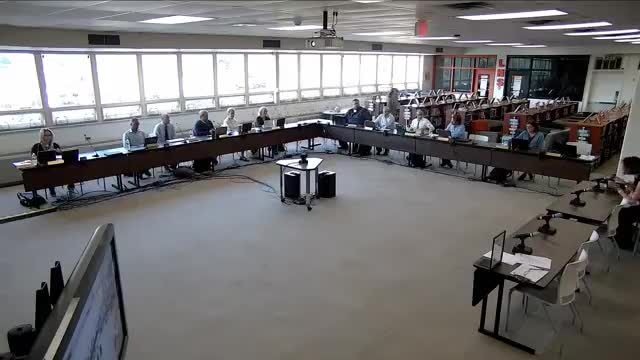
Summary
Dozens of residents addressed District 128 committees Sept. 8 during public comment, with speakers both defending and criticizing the district's gender support guidelines. No board action was taken; public comment informed board members who heard requests to uphold existing policies and calls to revise them to address privacy and safety concerns.
Dozens of people addressed Libertyville Community School District 128 at committee meetings on Sept. 8 about the district's gender support guidelines, with speakers offering sharply contrasting views but no formal board action taken that night. Supporters urged the board to maintain policies that protect transgender students; critics said the guidelines raise safety and legal concerns for girls and for parents.
The debate unfolded during an extended public comment period attended by members of both the Program & Personnel and Facilities & Finance committees. Supporters spoke first and emphasized legal protections and student safety. "We support the district's gender support guidelines, the Illinois Human Rights Act, and the Illinois High School Association's policy," said Sue Newman, a longtime district resident, during a joint statement with Andrew Kimmel. "We back your effort to support all of our students."
Why it matters: district policy on gender support affects school procedures for bathrooms, locker rooms, pronoun use and participation in activities. Speakers on both sides invoked federal and state law and warned of reputational and operational consequences if the district changes course.
Supporters described heightened mental‑health risks for transgender youth and urged the board to preserve inclusive practices. Jill Kreller, who identified herself as a Libertyville parent and a mental‑health professional, said: "Inclusion saves lives" and cited national trends she said show higher rates of suicidal ideation among transgender youth when protections are removed. Carol McKinney, a former high‑school teacher and parent, said gender‑support measures are "similar type[s] of support developed for a specific need but beneficial to all."
Opponents questioned aspects of implementation and raised safety and legal concerns. Marnie Navarro, who identified herself as a District 128 taxpayer and attorney, said the guidelines "violate federal law unequivocally" and alleged a recent incident in which a person she described as an adult male entered the girls' locker room; she said the district administration did not adequately notify parents. Christine Christiansen described a similar concern and asked board members to consider the perspective of 15‑year‑old girls.
Several speakers referenced legal frameworks that they said should govern the district's decisions, including Title IX and the Illinois Human Rights Act; others cited decisions of the U.S. Court of Appeals for the Seventh Circuit and policies of the Illinois High School Association. Public commenters also mentioned outside groups and national attention, but the board did not cite a specific legal finding or order during the meeting.
Discussion vs. decision: committee members listened and asked few procedural questions during public comment; no formal motion, directive to staff, or policy vote occurred that evening. Committee chair Jim Batson set the public‑comment time limit and moved the agenda forward. Several commenters asked the board to "follow the law" or to provide clearer articulation of practices; supporters asked the board to resist outside pressure and maintain inclusive policies.
Context and next steps: public comment is advisory; committee members may place policy or administrative items on a future board agenda for review or action. During the meeting several speakers noted past litigation and state guidance but the committees did not take formal action on the gender support guidelines on Sept. 8.
Local voices quoted at the committees included parents, school staff or former staff and residents with law or mental‑health backgrounds. The committees did not provide a timeline or vote on any change to the gender support guidelines at this meeting.
The board packet and any subsequent agenda items will provide the first formal opportunity for trustees to discuss or vote on policy revisions.