
Consultants, councilors push clearer infill and ADU rules after neighborhood walk
Get AI-powered insights, summaries, and transcripts
Subscribe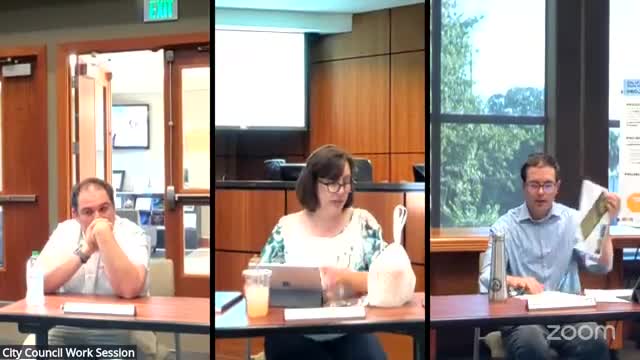
Summary
City consultants outlined a yearlong code-audit and rewrite to allow smaller lots, duplexes and accessory dwelling units (ADUs) while ensuring new housing fits existing neighborhoods; councilors pressed for guardrails on parking, privacy and short‑term rentals.
Consultants told the Independence City Council at a work session that a yearlong project will examine the city’s development code to allow more infill housing — including duplexes, triplexes, fourplexes and accessory dwelling units — while creating “clear and objective” standards the state requires. Planning consultant Matt Hastie said the review will propose code changes, community review and an adoption process over about 12 months.
Why it matters: The review could allow smaller lots and additional units in established neighborhoods and set citywide rules on design, parking and public‑facility improvements. Councilors said they want to preserve neighborhood character and avoid removing long‑term housing stock for short‑term rentals.
Consultants summarized findings from a recent council walking tour that showed a mix of housing types, older and newer houses on the same blocks, smaller lots and a number of backyard ADUs. Hastie said the project will: (1) audit the existing development code; (2) draft clear, objective standards the state requires so staff can apply rules without discretionary review; (3) propose specific code changes that allow a wider range of housing; and (4) take drafts to the public and planning commission before final adoption.
Councilors and commissioners flagged several recurring concerns about infill: on‑site parking, sidewalks and alley access, building scale and privacy impacts on adjacent backyards. One councilor asked, “How do we make sure that we’re doing this responsibly and that we’re not taking property off the market in this effort?” and consultants discussed permit-based approaches and limits for short‑term rentals as one tool to reduce commercial conversion of ADUs.
On design and compatibility, consultants suggested a menu‑style approach that would require projects to include a small number of architectural or site features (for example, façade elements, porches, tree plantings or rear parking accessed by alleys) so multifamily units better “fit” adjacent single‑family streetscapes. They also recommended exploring lot‑division standards for larger lots (consultants repeatedly noted examples of 9,800‑square‑foot lots being split historically) and minimum alley improvements when rear access is required for new units.
The team also discussed technical constraints that affect whether a backyard unit can become a standalone home. Staff noted that water and sewer service connections (and the related system‑development charges) are often tied to a primary house today; dividing ownership or creating a separate parcel may require separate services and additional SDC payments, which increases project cost and is an important policy choice for council to weigh.
Next steps: Consultants will distribute a technical memo (the code audit) to council and staff. The project schedule calls for public outreach, revisions based on feedback, and a formal adoption process with hearings. Staff asked councilors to send reactions to the draft audit so consultants can refine the proposals.
End note: The work session discussion emphasized incremental, context‑sensitive approaches — e.g., allowing ADUs and small multifamily units in ways that preserve sidewalks, tree cover and on‑site parking and using alleys for rear access where feasible — rather than wholesale changes to neighborhood form.