
Justices urge rules, projections and streamlined materials ahead of Marion County budget review
Get AI-powered insights, summaries, and transcripts
Subscribe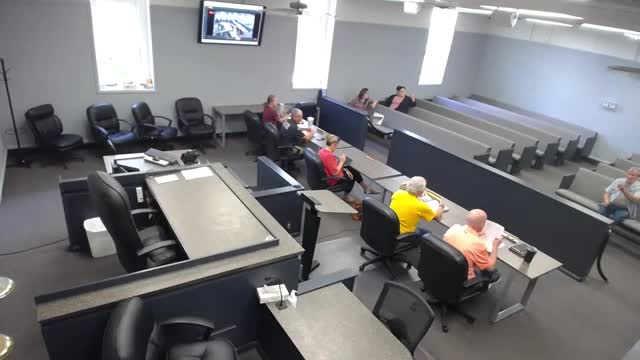
Summary
Members of the Marion County quorum court and county staff discussed preparation for the upcoming budget-review season, including a likely 3% cap on budget growth, recommendations for committee rules, use of five-year sales-tax distributions for projections, and efforts to reduce printing and streamline review materials.
Members of the Marion County quorum court discussed preparations for the countybudget-review season, advising the budget committee to adopt clear review rules and rely on multi-year projections to avoid the confusion that complicated last years process. Justice Reed (identified in the meeting transcript) urged the budget committee to agree on a set of rules before reviewing the approximately 66 budgets that will be submitted, suggesting automatic approval for budgets within an overall cap and targeted review for line items that exceed typical spending by a set percentage. Reed proposed a threshold (for example, 20%) to trigger additional scrutiny or written justification from elected officials or department heads. County staff and other justices discussed last years experience of repeated ad hoc changes, large printed binders and multiple reprints. Speakers recommended reducing printing costs by using PDFs for general distribution while keeping one hard working copy per committee member. Staff said projections from the treasurers office would be available within two weeks and that a county judge was expected to set a growth cap around 3%, though some justices indicated they would prefer a lower cap to preserve county general fund balances. Treasury/finance staff explained the countys method for projecting sales-tax-derived funds: rather than extrapolating from a single-year receipt, staff use five years of distribution history and adjust for ordinance-driven changes in percentage distributions. Staff warned that the county does not control the statelevel sales tax and instead projects based on what the state has distributed over previous years. Committee members also discussed carryover versus carryforward distinctions, funds likely to use county general funds next year (including jail-related funds), and the administrative process for moving money between line items (filed with the clerk) versus moving money between budgets or unappropriated funds (which requires a court order or ordinance when unappropriated funds are involved). No formal motions or votes were recorded on these procedural recommendations at the meeting.