
Ulster County Officials Say Funding Exists for Bus Shelters but Right‑of‑Way and Maintenance Questions Stall Installation
Get AI-powered insights, summaries, and transcripts
Subscribe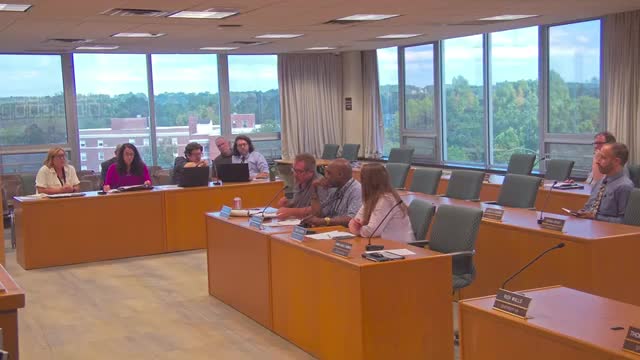
Summary
Legislators and staff debated bus shelter placements on Route 209 and elsewhere Aug. 7. County planning and transportation staff said federal UCTC funds are available but municipalities declined maintenance responsibility; right‑of‑way and state permitting complicate siting.
A legislator raised visible waiting riders on Route 209 during the Aug. 7 Transportation Committee meeting and asked where the county stands on bus shelters. County staff said federal UCTC (Ulster County Transportation Council) funds are programmed and available for shelters, but obtaining sites is complicated by right‑of‑way control and maintenance responsibilities.
Planning staff said they contacted municipalities about assuming shelter upkeep—including snow removal and graffiti cleanup—but received no commitments after two outreach efforts. “We did a, we contacted the municipalities asking if they would assume the maintenance of a bus shelter,” a county planning representative said, and reported no municipal responses in favor of taking maintenance duties.
Why it matters: Staff said locating shelters often requires either private property permission or a state use-and-occupancy permit if the site is within the state right‑of‑way; both processes can delay installation. The planning staff indicated that the most cost‑effective path is when local planning boards require shelters as part of new developments, or when private developers or property owners host shelters as part of site plans.
Funding and feasibility details - Funding: County staff said they have programmed federal transit funds for shelters; a recent request figure discussed in the meeting ranged between roughly $500,000 and $1,000,000 (transcript discussion referenced an earlier request “a little less than a million and more than 500,000” and prior allocations “up to half a $1,000,000”). - Right‑of‑way: For locations along state routes such as Route 209, a use-and-occupancy permit from the state is typically required, and state safety reviews factor into permit decisions. - Maintenance: The county reported no municipal willingness to accept ongoing maintenance during the outreach period; staff said the county is exploring assuming maintenance but has not finalized an approach.
Next steps: Staff recommended continuing to program federal funds for shelters and to pursue local planning-board requirements for shelter installation during project review. They also noted that bus shelters remain an eligible transit expense and could include costs associated with acquiring right‑of‑way if necessary.
Ending: Legislators requested continued updates; staff said funding remains available but that siting and maintenance arrangements must be resolved before shelters are installed.