
Legislature amends sewer-use law to a unit-based assessment; officials, residents press for fairness measures
Get AI-powered insights, summaries, and transcripts
Subscribe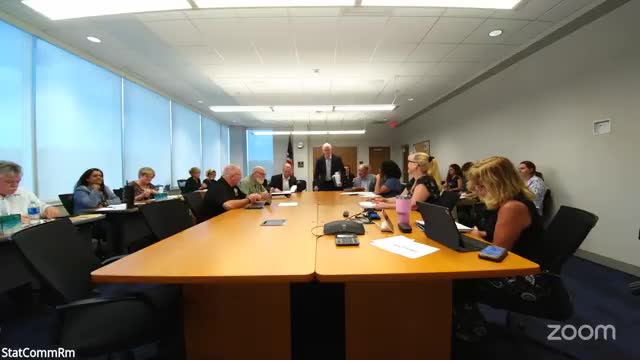
Summary
Orange County legislators voted to amend Local Law No. 4 (2008) to change sewer district assessments to a unit-based formula that includes vacant parcels for capital costs; officials and residents raised equity concerns for seniors and discussed implementation details.
The Orange County Legislature’s Rules Committee voted to amend Local Law No. 4 of 2008, the Orange County Sewer Use Law, to change how assessments are calculated for properties in Orange County Sewer District Number 1, County officials said. The amendment replaces references to taxes with benefit assessments and adopts a unit-based assessment formula that charges “units” per lot or unit type (for example, one unit for a single-family residence, two units for a two-family). The change aligns the county’s local law with a map-based planning report prepared for the sewer expansion project and with the method used to calculate capital assessments tied to bonding and interest costs, county staff said. The amendment was submitted as Legislative Request No. 209 and is subject to a permissive referendum under Municipal Home Rule Law §24. Joseph Maloney, Orange County attorney, explained the change reflected the district’s founding structure and legal limits: the original sewer district relied on a November 1969 resolution and the 1970 law, which require benefit assessments rather than general taxes. Maloney told the committee the sewer-use law needed updating so it reflects current assessment practice and the district can collect capital costs through unit assessments. County Department of Public Works officials said the revised formula will also include vacant commercial and residential parcels for the capital-expenditure assessment only; vacant parcels are not assessed for operations and maintenance (O&M) costs. Officials said hookups will remain subject to inspection fees and a one-time hookup charge reflecting county inspection and connection costs, but that the district will not recoup operating costs already paid by existing users when new connections come online. Several legislators and commenters raised equity concerns about a strict unit-based approach. Legislator Ben (majority leader) and other speakers said seniors and single-occupancy households could pay the same capital assessment as larger households despite lower usage. County staff and the county attorney said wastewater metering is generally impractical and that water-use data may serve as a proxy if towns and water providers cooperate; officials also noted annual building inspections and rental registries help the county identify units including accessory apartments and illegal conversions. Officials said the new assessment approach is meant to be fairer than the current system and that the county will continue reviewing usage data and methodologies. The county indicated the assessments would likely be implemented for budget planning and billing in early January 2027. A motion to approve the amendment was moved by Legislator Seganga, seconded by Legislator Amo, and the committee carried the item by voice vote.