
Tippin City school board tables transfer to fund high‑school food‑service equipment, orders quick review
Get AI-powered insights, summaries, and transcripts
Subscribe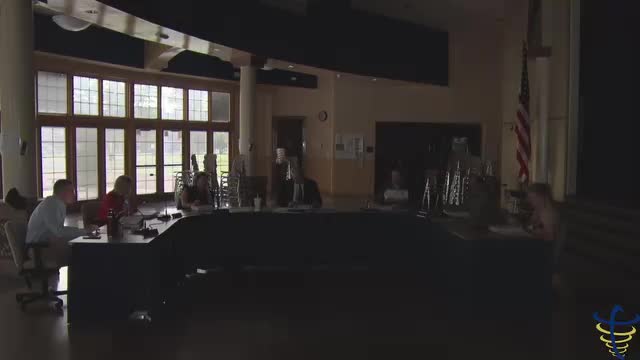
Summary
After a lengthy debate about whether food‑service purchases should come from the general fund, program‑improvement (PI) funds or state subsidies, the board voted to table a $51,660 fund transfer request and asked administration to resolve outstanding questions at a special meeting.
The Tippin City Schools Board of Education on Tuesday tabled a request to transfer $51,659.51 to replace kitchen equipment at Tiffin Columbian High School and directed administration to gather additional details for a special meeting. The vote followed extended discussion about whether the district should use general‑fund cash, program‑improvement (PI) funds or state subsidies that now flow into the general fund.
Board members pressed administrators for clarity on three points: which revenue streams legally and practically can pay for capital equipment; whether state subsidy dollars the district now receives (described by staff as an additional amount tied to disadvantaged students) are sufficient to cover ongoing food‑service needs; and whether quotes for the equipment were still valid. Superintendent Nadeau told the board he would verify the revenue calculations and return with details. "I will provide additional information," he said.
Why it matters: the district reported the high school’s conventional oven and hot serving line need replacement before school starts; at the same time food service revenues have shifted since the district began offering free meals, creating a funding gap. Administrators said food‑service operations previously generated revenue from lunch sales that could be used for equipment; federal and state pandemic‑era changes mean some of that money now arrives through state subsidy lines and the district must account for it differently.
Board members and staff disagreed on process. Several trustees said routine purchasing and budgeting practices should have surfaced the need earlier; others said the shift in how food service is funded has created an unfamiliar situation. Treasurer/staff and finance committee members described a proposal that would use a combination of PI funds and general‑fund transfers. One board member recommended protecting PI balances in case program‑improvement projects need the funds in later years.
Administration supplied a not‑to‑exceed estimate of roughly $51,660 based on prior vendor quotes; staff cautioned that the quotes had expired (30‑day validity) and could change. Colleen Neely, the district’s food‑service director, and other administrators confirmed the equipment is currently not functioning and that at least one piece was needed immediately to begin service operations.
Outcome and next steps: the motion to table passed. The board instructed the superintendent and finance staff to (1) confirm the current vendor quotes and, if necessary, obtain updated quotes; (2) verify which state and federal subsidy lines may legally pay for capital equipment and whether those amounts cover both operations and capital needs; and (3) report back quickly so the board can meet in a special session before the next regular meeting. The board asked that any special meeting be scheduled as soon as the administration can verify the details.
Board members emphasized they expected the administration to centralize purchasing and budgeting so similar last‑minute requests do not recur. The board did not approve the transfer at the meeting and no purchase was authorized.
For the record: the transfer request was placed on the agenda as Item 7.9 and the discussion began during the finance portion of the meeting. The board announced it would call a special meeting to resolve the item once administration provides the requested information.