
Residents and council debate LERTA, tax-forgiveness and blight strategy for entire borough
Get AI-powered insights, summaries, and transcripts
Subscribe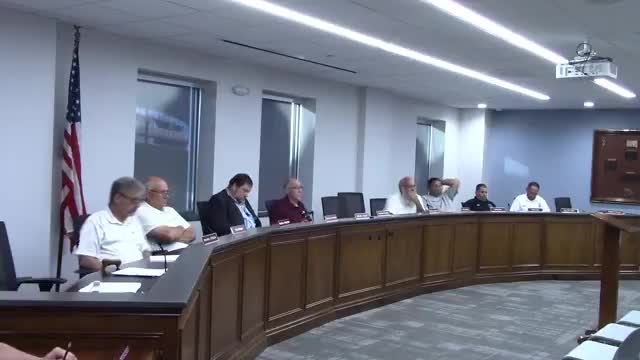
Summary
At an Aug. 12 Munhall Borough workshop, residents pressed council about LERTA, a proposed real-estate tax-forgiveness ordinance and whether to declare the entire borough blighted; councilors and residents urged more data, legal review and clearer planning-commission reporting.
At a Munhall Borough Council workshop on Aug. 12, residents and councilors pressed for faster, clearer action on blight programs, including the LERTA recommendation from the planning commission and a parallel real-estate tax-forgiveness ordinance. The planning commission voted to recommend that the entire borough be designated a deteriorating/blighted area; council members said they were awaiting solicitor guidance on potential ramifications for bonding and fiscal standing.
The debate intensified after public commenters said they had counted numerous visibly dilapidated buildings in the borough and criticized perceived delays in applying for Act 152 blight funds and in crafting the tax-forgiveness ordinance. Resident Brad Petrella raised concern that the borough missed an Act 152 application deadline this year and that grant staff "didn't notice" the borough's submission. Council members answered that the borough had applied separately after the COG submission and that the application was not awarded this round.
Why it matters: the designation and ordinances determine what incentives and funding the borough can offer investors or owners to rehabilitate properties, which residents said would affect housing stock, safety and the tax base.
Councilors and residents repeatedly asked for a legal opinion on whether labeling the entire borough as blighted would harm the borough’s ability to borrow. A council member said the solicitor had been asked to look into whether a borough-wide blight designation could affect bond ratings or future borrowing; council asked that the solicitor provide a written opinion before any action. Several residents and councilors recommended carving targeted blighted areas rather than declaring the entire borough blighted until the legal and fiscal effects are understood.
Members of the public urged better coordination between council and the planning commission. Speakers said planning-commission minutes and recommendations have not consistently reached council in a timely way; councilors asked the commission to deliver written reports within days of meetings so council can act. Staff and a councilor offered to compile county parcel and tax-assessment data, and one speaker offered to overlay GIS and LIDAR information to show which lots are feasible for redevelopment.
Council discussed complementary tools already in motion: a land bank and proposed tax-forgiveness program. Officials said the land-bank work is moving forward, and that the tax-forgiveness ordinance was scheduled for advertisement and a vote at a future public meeting once outstanding language is finalized. Residents asked that the ordinance address investors buying multiple properties (one participant said some buyers acquire four or five houses at once, which could keep properties off local tax rolls); council members said they plan to refine the ordinance to limit unintended incentive capture and will consult the solicitor.
Ending: Council members pledged to ask the solicitor for written guidance on bond impacts and on statutory limits of LERTA, to request prompt planning-commission reports, and to organize parcel-level data mapping to identify the most promising, legally feasible areas for targeted blight designations.