Get Full Government Meeting Transcripts, Videos, & Alerts Forever!
Get email alerts on the Local Government Process topic
No spam. Unsubscribe anytime.
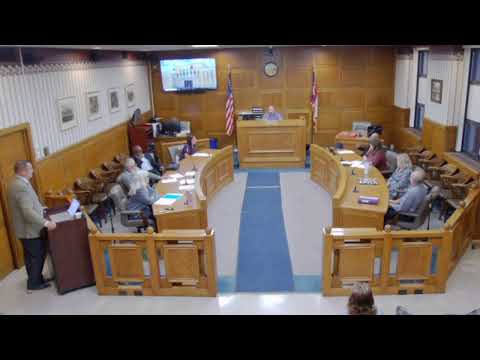
Barberton council committees back rule changes to add consent agenda, alter charter-review path and formalize recording policy
Summary
Barberton City Council committees debated proposed rule changes on Sept. 8 that would create a consent agenda, require two‑thirds committee approval to advance charter amendments to the ballot and formalize meeting-recording language.
Barberton City Council committees spent substantial time Sept. 8 debating proposed changes to the council rules that would add a consent agenda, change how charter amendments are routed through committees and formalize policies for recording and live-streaming meetings.
The proposal would let a committee chair “motion each request to be placed on a consent agenda with a unanimous vote from his or her committee,” according to committee language circulated at the meeting. Under the draft, any legislative item placed on a consent agenda would be read individually into the record but then enacted together “by one motion and one roll call” unless a council member or a member of the public requested separate consideration.
Why it matters: Supporters said the change would speed routine business — invoices, noncontroversial appointments and similar items — while saving floor time for debated matters. Critics warned it could be abused without clear guardrails. “What are the guardrails in place to ensure that's not abused?” Council President Greer asked, prompting a committee chair to point out that the proposed rule requires unanimity in the originating committee: “Under the proposed rule to place something on the consent agenda, the committee has to be unanimous,” Councilman Heideck said.
Charter-review routing: Committee members also debated a proposal that would require any proposed amendment to the charter to clear the rules committee by a two‑thirds affirmative vote before a resolution to place the amendment on the ballot could go forward. Supporters said the change would prevent three‑person committees from effectively blocking an amendment that a majority of council members want voters to consider. “Two people on that committee could nullify the other six,” Councilman Heideck said. Opponents said the existing committee process already offers multiple opportunities for discussion and expressed concern about bypassing committee prerogatives.
Recording and IT language: The rules draft would add a requirement that specified committees “shall also work with the city's IT department concerning the city's IT functionality and compliance with applicable laws,” and it adds language formalizing procedures for audio/video recordings and handling recorded comments. Committee members agreed the city already records meetings and said adding it to written rules would clarify practice.
Discussion vs. decision: On Sept. 8 the committee discussed and in some cases approved language changes internally, but several items will return for further review and are subject to the full legislative rule-change process. Committee chairs asked members not on a committee to forward proposed edits to staff, and multiple council members asked for time to consider changes to motion rules and committee-member authority.
Ending: Committee chairs said they will compile the edits and submit them to the clerk and law director for placement on upcoming legislative agendas. Council members asked staff to prepare finalized text that includes the unanimity requirement for consent items and the precise charter-review language before any final vote.