Get Full Government Meeting Transcripts, Videos, & Alerts Forever!
Get email alerts on the Community Development topic
No spam. Unsubscribe anytime.
Council reallocates proposed CDBG funds to prioritize small business assistance and neighborhood cleanup
Summary
After public hearing and discussion, council approved Community Development Block Grant (CDBG) allocations prioritizing neighborhood cleanup and small business assistance, and adjusted amounts to fund access‑to‑capital and graffiti prevention measures.
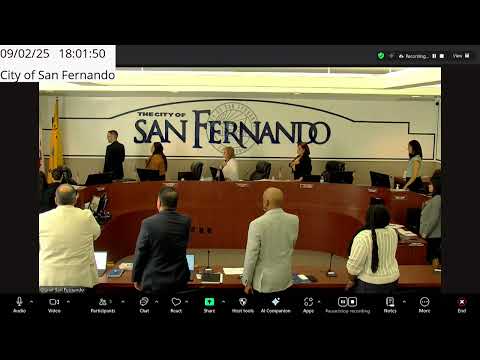
The San Fernando City Council held a public hearing Sept. 2 on proposed allocations of Los Angeles County‑administered Community Development Block Grant (CDBG) funds for fiscal year 2025–26 and voted to adopt allocations focused on neighborhood cleanup and small business assistance, while reserving program details for staff and implementing partners. Why it matters: CDBG funds are federal dollars administered through Los Angeles County for eligible community programs (benefiting low‑ and moderate‑income residents). The council’s allocations influence grants for small businesses, neighborhood cleanups, access to capital services and modest residential rehabilitation grants. What was proposed and decided: Staff proposed continuing neighborhood cleanup and a small business assistance program, and adding an access to capital program and a small residential rehabilitation pilot. During discussion, council members and public commenters emphasized graffiti abatement and visible storefront improvements. ICON CDC described an access‑to‑capital program that would provide technical assistance and help package loans and grants to local businesses. After debate, the council finalized allocations: $26,000 for neighborhood cleanup; $25,000 for an access‑to‑capital program; and the remaining CDBG funds were allocated to a small business assistance program focused on storefront improvements, anti‑graffiti measures and security cameras for eligible small businesses. The council postponed establishing a residential rehabilitation loan/grant program as staff continues to pursue a separate larger state home‑rehab grant; council asked staff to move remaining funds into business/grime‑reduction programs if the smaller rehab pilot could not be implemented in time. Program details and next steps: Staff and contractor ICON CDC will develop program guidelines, application procedures and outreach. Council asked that program rules prohibit council members or immediate family members from being eligible for grants. Staff will return with program implementation guidelines, a financial analysis of any rate or fee changes and timeline for spending and reimbursement.