Get Full Government Meeting Transcripts, Videos, & Alerts Forever!
Get email alerts on the Budget Finance topic
No spam. Unsubscribe anytime.
Oak Creek midyear budget shows stable revenues; health‑insurance structural gap remains
Summary
City finance staff presented the 2025 midyear budget monitoring report showing general fund revenues and expenditures near expected levels through six months, stronger permits revenue, and an improving but structurally challenged health‑insurance fund.
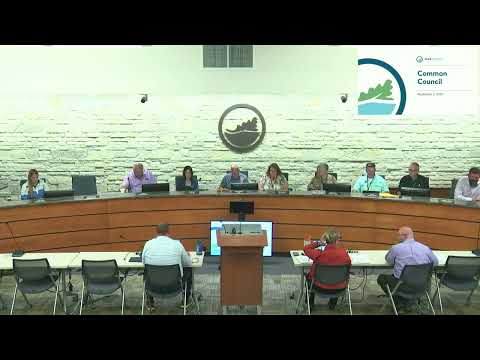
Oak Creek finance staff presented the 2025 midyear budget monitoring report at the Aug. 27 Common Council meeting, reporting that general‑fund revenues and expenditures were tracking roughly on plan through six months and noting several items city officials are watching, including health‑insurance fund pressures and capital‑project timing.
Why it matters: The midyear review gives the council an early look at variances from the adopted budget and flags items that may require adjustments before year‑end. Staff said the findings do not, at this point, require budget amendments but will inform fall budget planning.
Key points from the presentation - General fund revenues: The city had collected roughly 54.3% of budgeted general‑fund revenues at midyear, slightly ahead of 2024’s pace; building permits and other license/permit revenues were stronger than last year, reflecting larger permit activity. - Expenditures: General‑fund expenditures were about 39.7% spent through six months; most departments were under 50% spent, which staff said is within expectations for a budget with contingency and seasonally timed payments. Recreation payments were higher because of contractual payments tied to school‑district schedules. - Major funds: Solid‑waste, health‑insurance and EMS funds were reported individually. Health‑insurance results to date were better than recent years, but city administration and councilors cautioned that a structural deficit remains and will require longer‑term strategies. EMS transport revenues have moderated compared with recent years. - Capital projects/CIP: Capital spending was above a straight‑line share of budget (about 58% at midyear) largely because of timing: some projects budgeted in prior years continue to have invoices in 2025 (example noted was an ongoing bluff stabilization project). The city also issued debt this year for the annual pavement rehabilitation program, which affected cash flows in the CIP fund.
Council commentary and next steps Deputy City Administrator and finance officer Max Gagan and other staff answered council questions about parking of project funds, utility fuel usage and whether recent rate changes affected revenues. Council members emphasized that although the health‑insurance fund looked better year‑to‑date, the structural budget challenge remains and the city will continue negotiating labor agreements and pursuing ACO/benefit strategies to address long‑term liabilities.
No formal vote was required; staff will continue to monitor and report at future meetings and bring recommendations if budget adjustments become necessary.