
Survivors press Congress to release Epstein records; committee rejects several related amendments
Get AI-powered insights, summaries, and transcripts
Subscribe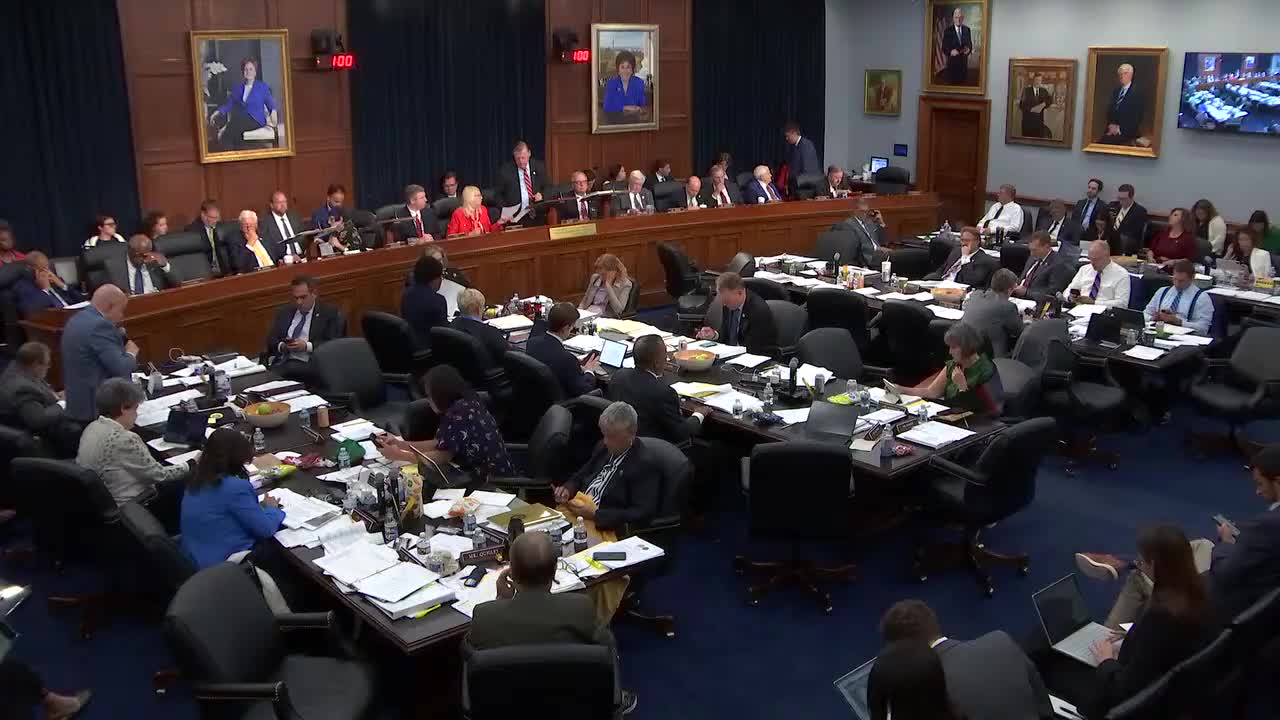
Summary
Several members proposed amendments directing release of records tied to Jeffrey Epstein (flight manifests, visitor logs, SARs); survivors testified publicly outside the Capitol and lawmakers debated transparency and privacy protections. Amendments requiring release or blocking agency delays were considered but failed in committee.
During the FSGG markup members considered emotionally charged amendments dealing with records tied to the Jeffrey Epstein prosecution and the Maxwell conviction. Survivors gathered at the Capitol and several testified publicly; lawmakers across the aisle made impassioned appeals for transparency, arguing that financial and travel records could identify co-conspirators, illuminate trafficking networks, and assist prosecution and civil accountability.
Representative Underwood offered an amendment that would have prohibited federal funds to agencies until the government released the full records on Epstein; another Underwood amendment would have barred use of funds to prevent the publication of flight manifests, visitor logs, or related records tied to Epstein's residences or private aircraft. A related Dean amendment targeted Treasury withholding of suspicious activity reports (SARs) tied to the case. Committee debate centered on survivors' rights, the risk of revealing identities of victims, ongoing investigations and prosecutions, and the balance between transparency and law-enforcement confidentiality.
Several members argued votes would send a strong, bipartisan message for disclosure and urged the release with redaction as necessary. Opponents cautioned that releasing records during ongoing investigations could jeopardize prosecutions or expose victims. The committee rejected the key disclosure amendments by recorded votes. Members who supported the amendments said they planned to pursue additional oversight and work with the Justice Department and courts to secure as much transparency as possible while protecting victims.
Provenance - topicintro: transcript block at s=20825.434 (Underwood amendment urging release) - topfinish: transcript block at s=24188.219 (final vote tally noted)