Get Full Government Meeting Transcripts, Videos, & Alerts Forever!
Get email alerts on the Alternative Education topic
No spam. Unsubscribe anytime.
Promise Academy reports serving 59 students, 80% showing progress on learning goals last year
Summary
Promise Academy, a charter authorized by Middleton Schools and located at Idaho Youth Ranch, reported enrollment, demographics and academic and therapeutic outcomes for the 2024–25 school year to the board.
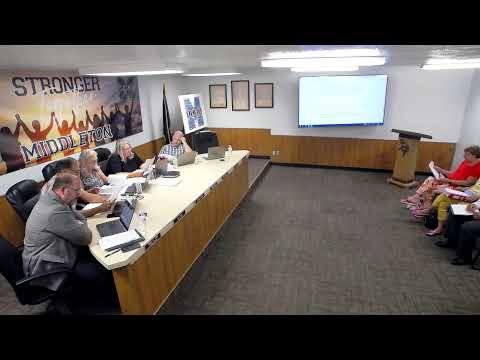
Promise Academy, the charter school authorized by the Middleton School District and located at the Idaho Youth Ranch, reported to the board that it served 59 students during the 2024–25 school year and that about 80% of students made progress toward learning goals. School leader Rick Hayle delivered the annual report to trustees.
Hayle told the board the 59 students represented all students served over the school year and that seven had been served as day students at some point; the program serves residential youth in a therapeutic setting who often transition back to their home schools. The enrolled cohort included 17 males and 42 females, and grade distribution showed the largest groups in ninth and tenth grades.
Hayle said six students were seniors during the year: three returned to home districts and graduated with diplomas, two returned and needed an extra semester to finish credits, and one was pursuing a GED. He said many students arrive not on a graduation track because they had significant prior absences, hospitalizations or had dropped out; the program aims to "drop them back in" and return them to their home districts when possible.
On assessment, staff said a state ISAT testing auditor observed the academy's small testing administration and that 80% of students made progress on Promise Academy learning goals; about 65% met the stated learning goals. Hayle said students tend to be most engaged about five months into residential treatment and that educational and therapeutic outcomes can show diminishing returns if treatment extends longer for some youth.
Hayle described clinical needs among students, including major depression, post-traumatic stress disorder and histories of self-harm and suicidal ideation, and said family therapy and close coordination between therapeutic and educational staff are key program features. He also said the program retained three teachers from the prior year and added a special-education teacher/director and a science teacher as enrollment and program needs grew.
Trustees did not take action on the report; the board subsequently approved acceptance of the Promise Academy annual review.