Get Full Government Meeting Transcripts, Videos, & Alerts Forever!
Get email alerts on the Property Tax Reform topic
No spam. Unsubscribe anytime.
Lake Central leaders warn SEA 1 could cut operations revenue and shift referendum timing
Summary
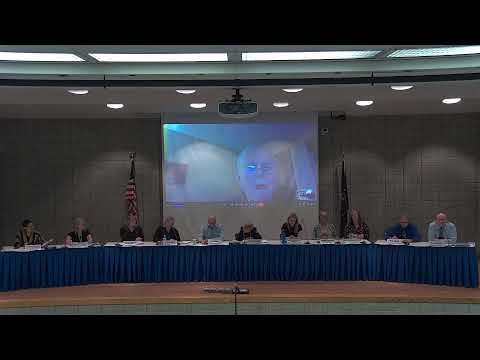
Superintendent Dr. Viracco told the Lake Central School Corporation board May 5 that Senate Enrolled Act 1 (SEA 1), a statewide property tax relief law, will change referendum scheduling and likely reduce local operations funding; district staff will analyze the financial impact and report back in mid‑June.
Superintendent Dr. Viracco told the Lake Central School Corporation board May 5 that the recently passed property tax relief law, referred to in the meeting as Senate Enrolled Act 1 (SEA 1), will move all school tax referendums to even‑numbered general elections and could materially reduce the district’s operations revenue.
The superintendent said the district’s operations budget—used for utilities, insurance, custodial services and other non‑classroom costs—relies heavily on property tax revenue and that a significant drop in that revenue could force the district to shift money historically used in classrooms to cover operations. “Remember, the property tax goes into operations, which covers our NIPSCO bills and our insurance costs, materials for cleaning schools, the cost of the people who clean the schools,” Dr. Viracco said.
Dr. Viracco outlined several provisions the district already knows: a statewide projection from legislative service agencies estimating roughly $1.4 billion in taxpayer savings over the next three years, an increase in the business personal property exemption from $80,000 to $2,000,000 (affecting equipment held by manufacturers and some farms), and a provision that will shift many referendums to even‑year general elections beginning in 2026. He said the law’s final text shows impacts through 2031 and that two‑thirds of property owners statewide are expected to see lower tax bills in 2026 compared with 2025, while homeowner cuts were described as modest (Dr. Viracco said some homeowners could see up to a $300 reduction).
Dr. Viracco said business property exemptions will disproportionately help communities with large manufacturing bases, and he noted the law allows cities and towns with populations of 3,500 or more to consider a local option income tax; municipalities would decide whether to share any local income tax revenue with schools.
The superintendent said district staff will pursue additional analysis and collect data at the annual Association of School Business Officials (ASBO) conference in Fort Wayne, which he and district staff plan to attend, with the goal of reporting a preliminary local impact estimate by mid‑June. He repeatedly cautioned that the district still needs to analyze details such as assessed value changes, the interaction of supplemental deductions and credits, and other technical provisions in the law before drawing firm conclusions.
Board members did not request further immediate action; Dr. Viracco said staff will continue the analysis and return with numbers to inform district budgeting.
The district intends to present a clearer estimate of the 2026 impact after gathering more information from statewide fiscal agencies and professional associations.