
Columbia County board schedules Sept. 5 industry workshop to address impact fees, workforce and recruitment
Get AI-powered insights, summaries, and transcripts
Subscribe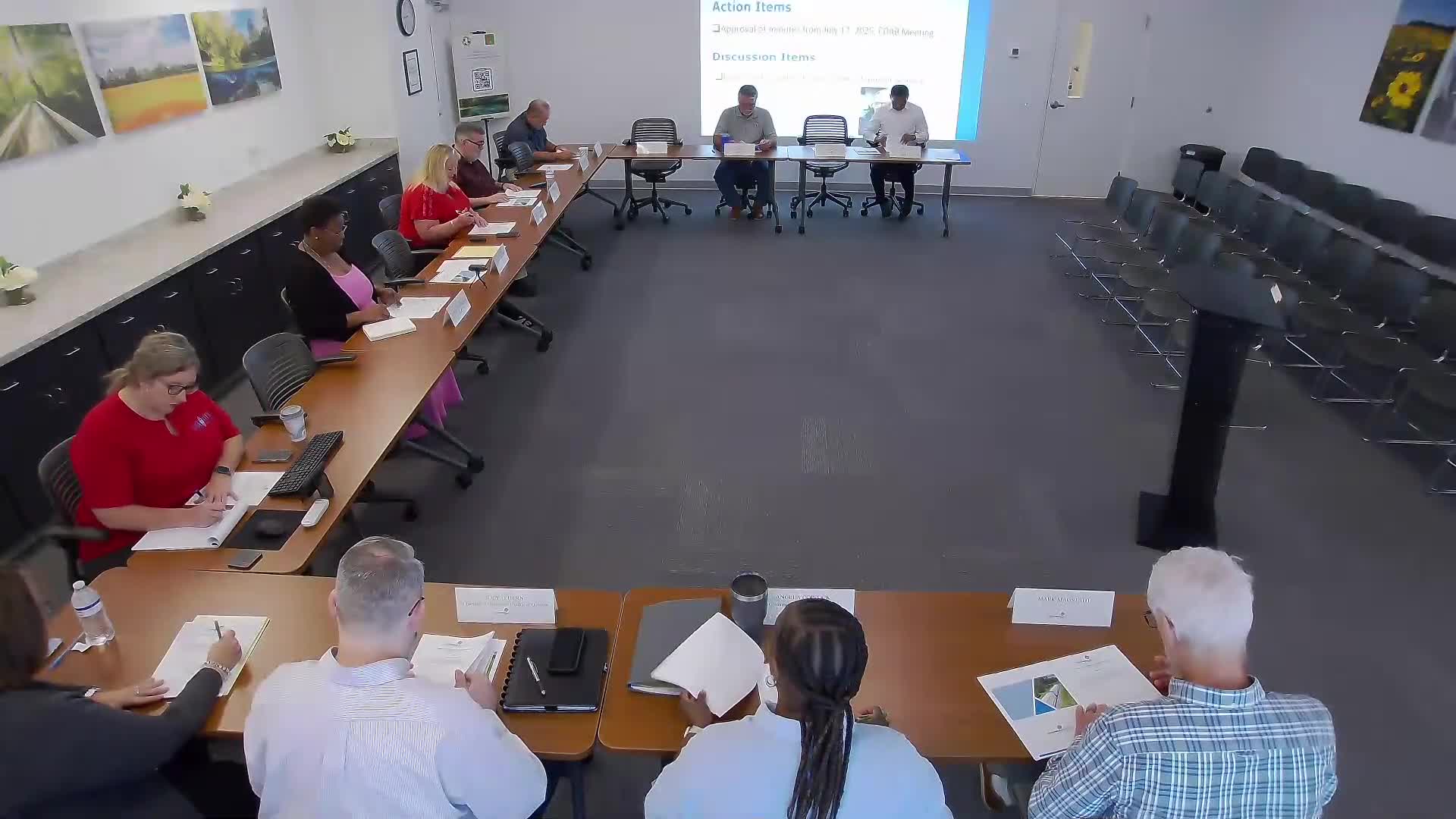
Summary
County economic staff and outside consultants announced a Sept. 5 workshop aimed at giving local officials and business leaders a forum to discuss projects, impact fees, workforce training and media strategies to attract industry.
The Columbia County Economic Development Board announced a community workshop for Sept. 5 to focus on local development barriers and recruitment strategies, including high impact fees, workforce training and media outreach. The workshop, sponsored in part by FPL and facilitated by a site-selection consultant identified in the meeting as Del Boya of Voyage Strategic Advisors, will run 9 a.m.–noon in the county conference room and is intended to let board members, local business leaders and elected officials identify priorities for economic development. Board members said the cost of impact fees — including water, sewer tapping, fire protection and traffic-related charges — is a recurring concern raised by developers and builders. One participant gave an example that a 100-room hotel could face roughly $400,000 in utility and tapping fees and said a single fire-protection item once cost him about $80,000. Board members asked staff to ask the consultant to compare Columbia County’s impact-fee structure with similar-sized jurisdictions and report back at the workshop. Workforce development and education were raised repeatedly as priorities. Board members and staff want the workshop to explore aligning local training programs with target industries and to identify industry-specific workforce gaps that the county and school district could address. Board members also urged a discussion of media and marketing strategy after several said national site selectors find negative online content when searching Columbia County; the board urged coordinated positive messaging by economic development partners. The board asked staff to collect specific topics and questions before the Sept. 5 session so consultants can prepare comparative data for nearby jurisdictions, impact-fee breakdowns and possible incentive approaches for smaller, local firms. Board members emphasized this is a planning and information session; no policy changes or incentives were adopted at the meeting and staff said they will collect input and present findings at the workshop. The meeting opened with a short motion to approve minutes from the July 17 board meeting; the transcript records a motion but does not record a second or vote on the minutes in the provided excerpt. Less-critical items discussed included county-level concerns about proposed state property-tax changes and the limits those changes could place on local incentive tools, and possible targeted loosening for high-need technical industries if written clearly into local incentives.