Get Full Government Meeting Transcripts, Videos, & Alerts Forever!
Get email alerts on the Business Licensing topic
No spam. Unsubscribe anytime.
Councilmember to seek attorney general opinion on business‑licensing notice rule
Summary
A Baker councilmember said she will present a resolution at the next meeting asking the state attorney general to clarify whether the city charter requires notice or council review of new business licenses after a rule change in 2014 shifted approvals away from the elected body.
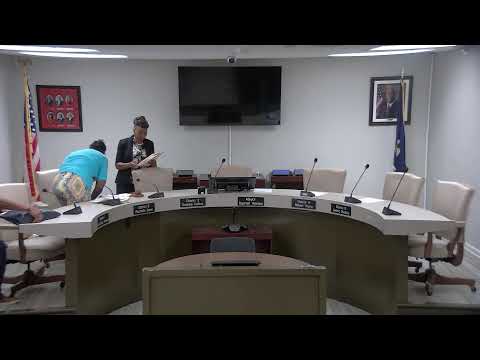
Councilmember (Speaker 1) said at a City of Baker work session that she will present a resolution at the next regular meeting asking the state attorney general for an opinion on whether the city charter requires businesses to appear before the city council when applying for a business license.
The issue stems from a practice change discussed by council members: speakers cited a 2014 rule change that moved some business approval authority to an appointed body and left final signatory authority to the mayor. "Section 1 17 provides for the council to be the legislative body of the city of Baker," Councilmember (Speaker 1) said, adding that Section 2 17 "authorize[s] levy taxes." She told fellow members she will put a resolution on the next meeting agenda and that the city secretary requested the text by "noon." "I'll present a resolution at our next meeting," she said.
Why it matters: the disagreement concerns whether the elected council should be notified or hear from prospective businesses before license approval — a procedural change council members say affects local oversight and constituent notice. At the work session, council members and an audience speaker discussed whether the charter requires council involvement and whether code enforcement, rather than council review, is the proper avenue when businesses do not operate as permitted.
Discussion and differing recollections: speakers disagreed about when the change occurred. Councilmember (Speaker 2) cited dates including "June 24 of, 2014" and "February 02/2014," and another participant mentioned a rule passed on "February 25." Councilmember (Speaker 1) said she had spoken with past officials and examined the charter text several times and wants an official opinion to clarify obligations.
Alternatives and concerns raised: Councilmember (Speaker 2) argued that notifying council via the agenda would satisfy oversight needs and emphasized that code enforcement should enforce operating conditions when businesses deviate from permitted use. "I don't think they need to come before us if they given documentation, get our agenda," Speaker 2 said. Councilmember (Speaker 1) said she has not voted against any business but wants to know "what's coming and what kind of impact it's gonna have on the city, my district, your district, and the city moving forward."
Next steps and formal action: No formal vote on the resolution occurred at the work session; Councilmember (Speaker 1) said the resolution will be placed on the next meeting agenda for a vote. The work session concluded with a motion to adjourn. Councilmember (Speaker 2) moved to adjourn and the meeting recessed after a voice vote in favor.
Ending: The council did not change policy at the work session. The proposed resolution seeking an attorney general opinion will appear on the next meeting agenda for formal consideration, and any change would depend on that advisory opinion and subsequent council action.