
SLDC outlines incentive process to board, says Millennium Hotel bill lacks tax abatement
Get AI-powered insights, summaries, and transcripts
Subscribe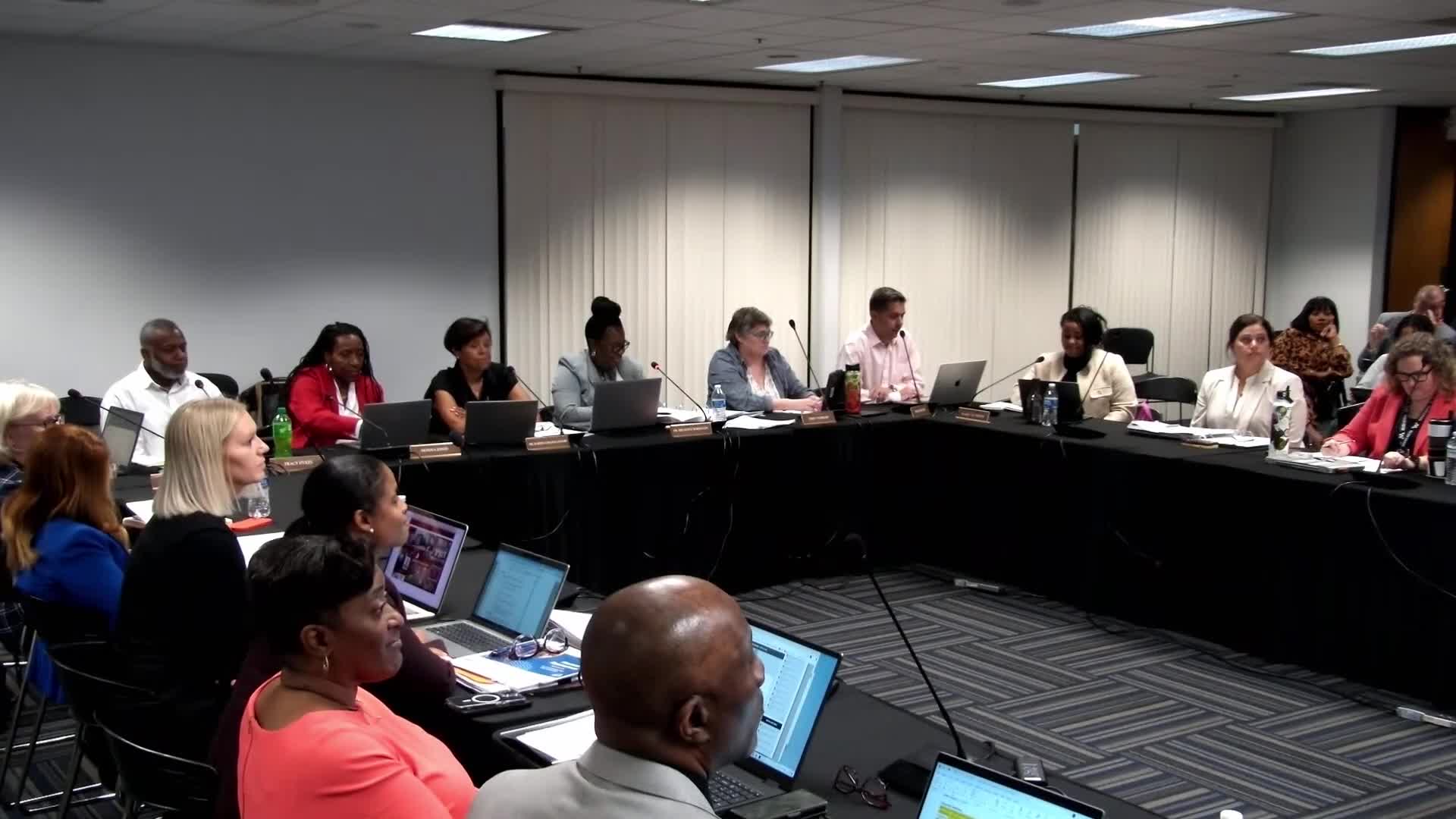
Summary
SLDC officials presented the agencys incentives framework to the Saint Louis Public Schools board, described how projects are scored and said a Board of Aldermen vote that day approved a blighting designation for the Millennium Hotel project but removed tax abatement from the bill.
Otis Williams and Zach Wilson of the St. Louis Development Corporation presented to the Saint Louis Public Schools Board of Education on Aug. 26 to explain how the city evaluates and approves development incentives and to answer questions about the potential effect on district revenue and neighborhoods. "Today, the board approved just the blighting for the project," Williams told the board, describing the Board of Aldermens action on the Millennium Hotel project.
Wilson explained the SLDC scoring process, including a community benefits scorecard and a financial analysis that together determine the level and duration of abatement or other incentives. "The board bill does definitely does not have tax abatement in it anymore," Wilson said, summarizing changes to the Millennium Hotel proposal as it moved through the Board of Aldermen. He described incentives SLDC uses (tax abatement, tax increment financing/TIF, construction sales tax exemptions) and state-level tools (historic tax credits, low-income housing tax credits).
The nut graf: SLDC presented the incentives model and its new community scorecard as a way to target scarce incentives to neighborhoods needing investment while attempting to protect school district revenue streams; board members pressed SLDC on how incentives affect school taxes and asked for clearer SLPS involvement in the process.
SLDC said the city now limits 100% abatements and scores projects by geography, affordable housing content and other community benefits; incentives for vacant schools and other difficult-to-develop properties are still used. Wilson presented case studies showing how previously occupied buildings that went vacant lost tax revenue and how redevelopment can restore local tax receipts over time. SLDC also said it layers incentives (for example, state historic tax credits plus local abatements) and that the municipality adjusts scoring to favor development in North and Southeast St. Louis.
Board members asked for clarity on several points: the timing of developer packets, when SLPS would receive fiscal analyses, how the statutory split of tax receipts among taxing districts is determined, and how SLPS can develop its own scorecard. Williams said distribution amounts are set by state law and that SLDC will continue presenting fiscal analyses to the district before the Board of Aldermen considers incentives. He also said the citys incentive map was first generated in 2021 and is updated annually.
SLDC officials defended incentives for blighted properties as necessary to spur redevelopment, and cited examples—such as the Foundry and other downtown projects—that they said would not have happened "but for" incentives. Williams said the city—s but-for analysis methods are public and that SLDC uses consultant models and developer-submitted financials to verify claims.
The board did not take formal action on any incentive request at the Aug. 26 session; SLDC staff said they will return with developer packets and more detailed fiscal analyses as projects move forward.