
Board debates routing minor vape and first-offense discipline to superintendent hearing; some members push to keep board hearings
Get AI-powered insights, summaries, and transcripts
Subscribe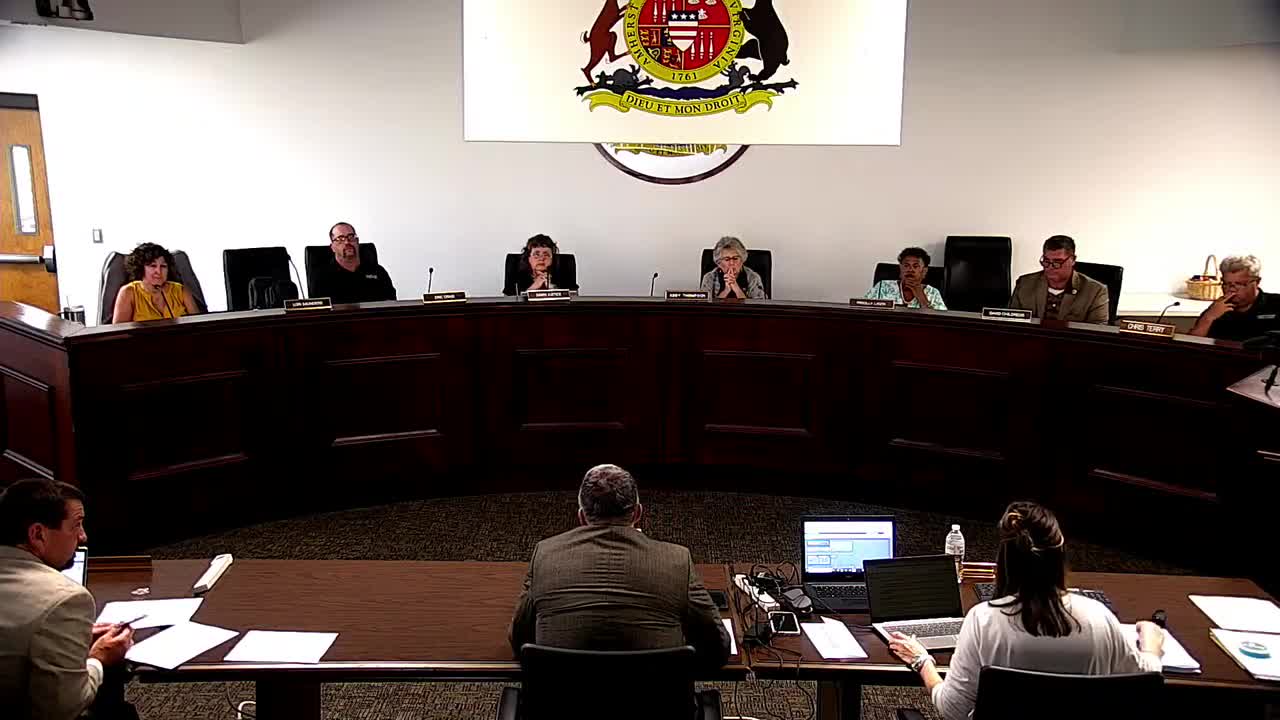
Summary
Board members discussed a proposed change to the discipline hearing process that would route certain first-offense THC/CBD vape and alcohol possession cases to the superintendent or designee rather than to the full discipline committee; some members opposed the change, and the item was sent to the policy committee for further consideration.
The Amherst County School Board spent substantial time debating a proposed change to its discipline hearing process that would limit the full board’s role in routine first-offense cases involving THC vapes, CBD vapes and alcohol possession. Under the proposal presented for first reading, those specific first offenses could be heard by the superintendent or the superintendent’s designee; only repeat offenses, sales/distribution, or other drugs would continue to come before the full discipline committee or board.
Why this matters: discipline hearings have both procedural and symbolic weight. Board members who opposed the change said having students and families appear before board members on the record can underscore the seriousness of misconduct and helps board members stay connected to school-level issues. Supporters of the proposed change said it would reduce scheduling burdens on board members, let the district resolve lower-level cases more flexibly and avoid repeatedly pulling board members into lengthy hearings.
Board members offered several alternatives in discussion. One suggestion was to allow a single board member (rather than three) to attend routine hearings to preserve a board-level presence without requiring multiple members to be available. Others noted that some divisions route only the most serious incidents to the board and use staff-level hearings for standard cases. The superintendent’s team said routine hearings conducted by designees would follow the same process: parents, students and principals would still appear, and appeals could be brought to the board.
The board did not adopt a final change at the meeting. Instead, members asked the policy committee to consider the proposed revision, to gather preferences from board members via email, and to return a recommendation at the next meeting. Several board members expressed concern that removing first-offense cases from full board review could be perceived as a softened response; others emphasized practical scheduling constraints and the administrative time required to convene the discipline committee for many short hearings.
Next steps: staff will collect board member preferences, the policy committee will discuss and draft recommended language, and the issue will return to the full board for action.