
PURA stay-out waiver sparks debate: utilities seek certainty; OCC warns of utility leverage
Get AI-powered insights, summaries, and transcripts
Subscribe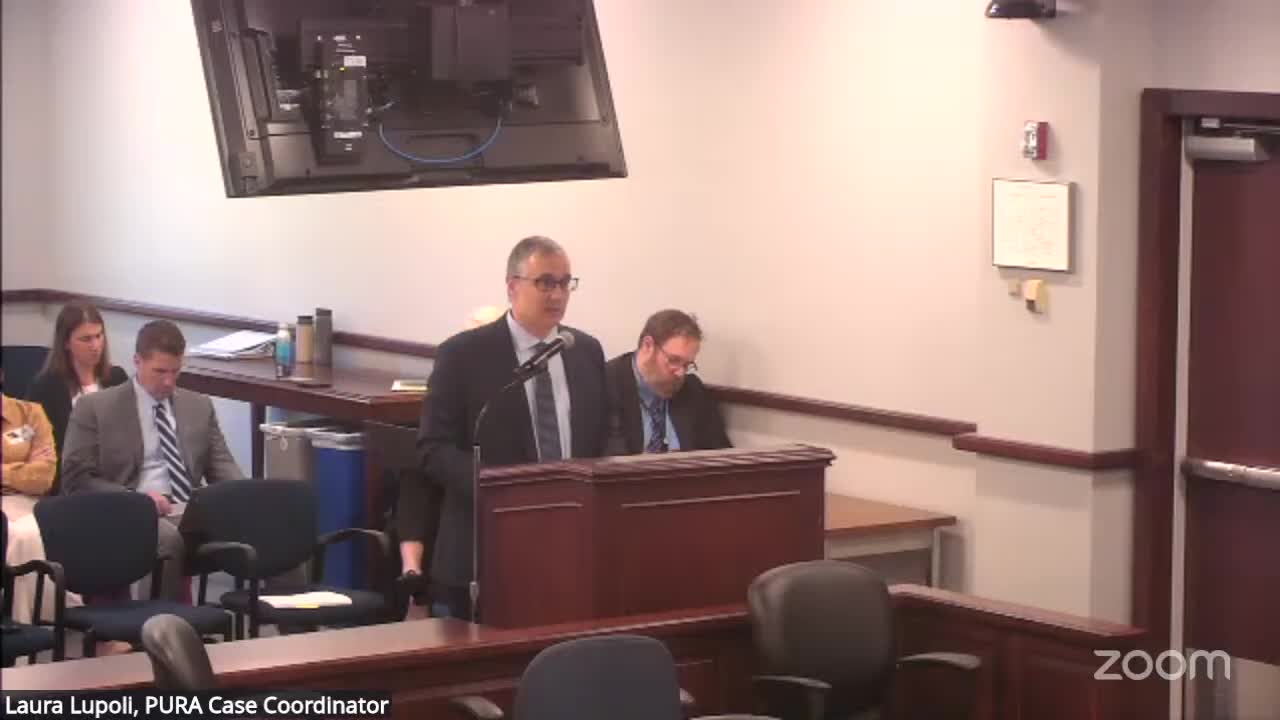
Summary
PURA's draft requires utilities to say, within ten days after a rate case decision, whether they will accept a multiyear PBR plan and the associated stay-out. Utilities told commissioners that the provision gives needed clarity; the Office of Consumer Counsel said the language could give utilities leverage and urged alternative handling that does
A procedural provision in PURA’s draft Performance-Based Ratemaking orders — the ‘‘stay-out’’ waiver — drew sharp attention at oral argument, with investor-owned utilities saying it provides necessary certainty and the Office of Consumer Counsel warning it could give utilities undue leverage in settlement negotiations.
Under the draft approach described at the hearing, after the initial litigated rate decision that sets the going-in revenue requirement, the utilities would be asked to respond promptly (the draft references a ten-day window) whether they accept a multiyear rate plan (the PBR multiyear rate plan) and agree to the associated waiver of the routine right to file a rate case during the plan’s term. Utilities said that process gives stakeholders and the authority early clarity about whether a company will accept the four-year PBR arrangement or will retain its right to file under General Statute 16-19. ‘‘I think clarity, I think certainty benefits everybody,’’ Eversource attorney Vincent Pace said, urging the commission to keep the draft language.
Nut graf: OCC’s Tom Wheel said the draft stay-out structure could leave PURA effectively negotiating with utilities at the end of an already-litigated proceeding. OCC argued that the authority should instead issue a multiyear rate-plan decision in the rate case and allow any later filings by utilities to be adjudicated on a proportionate schedule (shorter than the statutory ceiling when possible) rather than conditioning the plan on a post-decision utility waiver.
Wheel characterized the draft settlement-style stay-out as putting the utilities in the position to insist on additional concessions in exchange for accepting the PBR stay-out: ‘‘It seems like the structure of this draft decision only lets the utilities say, okay. Everyone's had their say, but now we get this last say in determining we want this, that, and the other thing before we're gonna sign off on this.’’ Utilities countered that the stay-out language reflects existing statutory rights (16-19) and practical realities: if PURA orders a PBR stay-out unilaterally and a utility then appeals and files another rate case, the result could be duplicate litigation and uncertainty.
Pace said the companies would accept a stay-out only if the final multiyear plan sufficiently addresses their revenue and capital recovery concerns; otherwise the companies will decline the stay-out and rely on their statutory right to file another rate case. ‘‘If there is a sufficient revenue stream to be able to run the business and do all the things you want us to do and maintain safe and reliable service, then the company should be asked to commit to provide the certainty that you're looking for and the rate stability you're looking for for a 4 year period for customers,’’ he said.
Ending: Commissioners asked clarifying questions and heard competing proposals for how the stay-out question should be handled in the final orders. PURA said it would consider the oral arguments and written exceptions together in issuing its final decisions. The utilities and OCC left the hearing with different views on whether the stay-out clause creates useful certainty or creates problematic bargaining leverage.