
Auditor details impact-fee reporting, six-year limit and when an analysis is required
Get AI-powered insights, summaries, and transcripts
Subscribe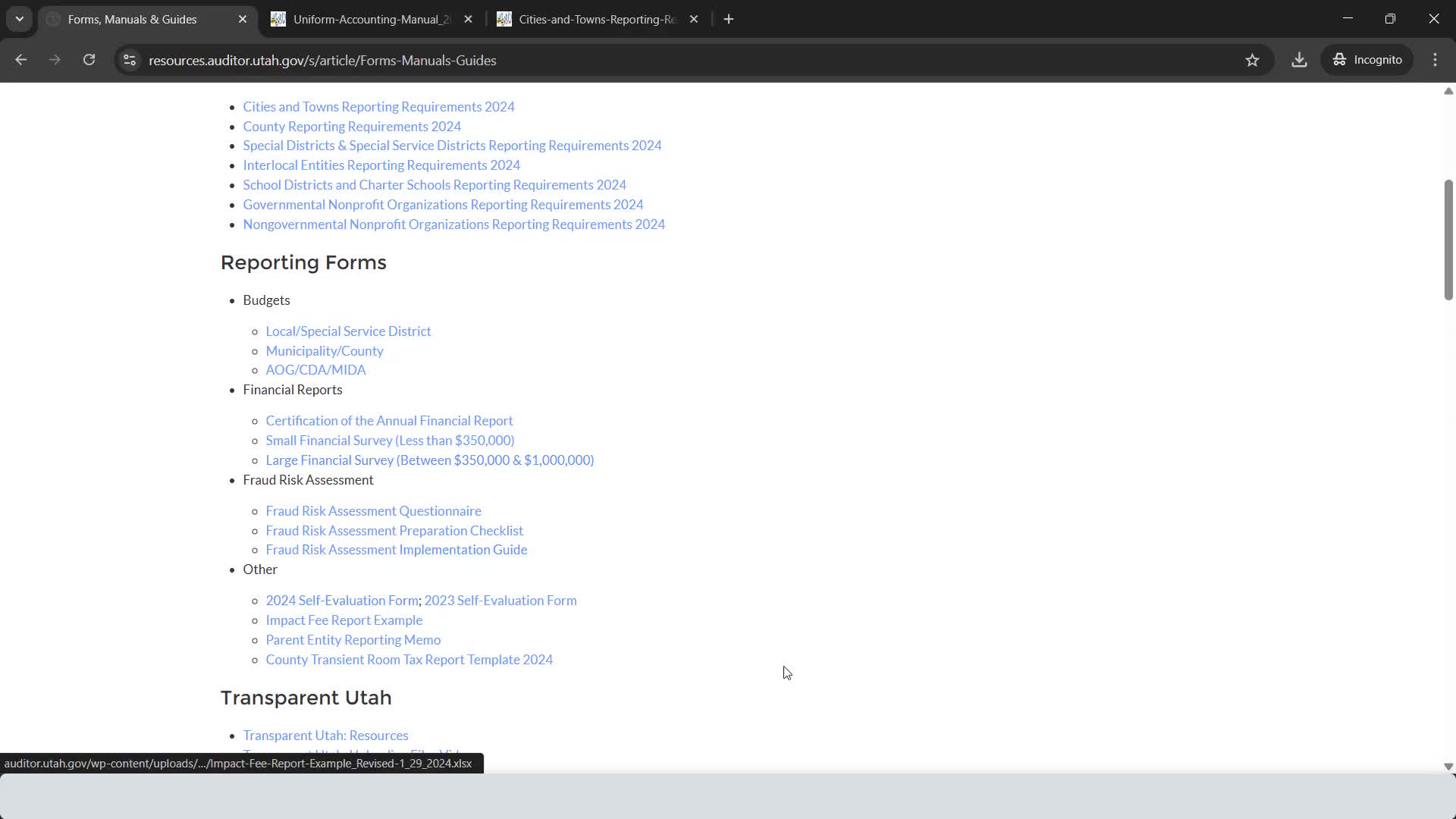
Summary
The auditor's office reviewed the impact-fee reporting template, emphasized tracking collections, expenditures and interest, and reminded entities impact fees may be held for no more than six years and that an impact-fee analysis is required for larger jurisdictions.
Auditor staff walked local officials through the office's impact-fee reporting template and explained the principal compliance issues: record who paid fees and when, show whether fees were spent in the current year or budgeted for a future project, and reconcile impact-fee balances to the restricted balance on the financial statements.
"When you collect an impact fee, you just wanna be able to track who did you collect it from, in what year did you collect it. Are you spending it in that current year? And if so, where are you spending it?" the presenter said, while showing the template fields that capture collections, current-year expenditures and budgeted future projects.
Staff noted that impact fees can only be held for six years; if funds exceed that period the entity must be able to identify recipients for refunds and interest due. They also reminded attendees that if a jurisdiction grows above 5,000 residents or collects more than $250,000 in impact fees, it must prepare an impact-fee facilities plan and analysis; jurisdictions below those thresholds do not have to submit the analysis portion but must reference it if one exists.
Questions from attendees focused on budgeting future projects where the precise location is not known (for example, sewer improvements). Staff said entities may budget impact fee spending up to the six-year planning horizon as long as they have a reasonable plan for use.
Ending: Staff recommended using the auditor's template (built from the statute) to reduce review delays and offered hands-on help to reconcile impact-fee balances with financial statements.