Get Full Government Meeting Transcripts, Videos, & Alerts Forever!
Get email alerts on the Criminal Justice Reform topic
No spam. Unsubscribe anytime.
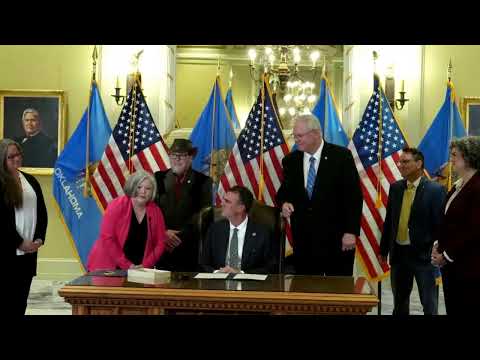
Speaker at public meeting outlines recent Oklahoma criminal justice reforms and reentry supports
Summary
At a public meeting, a speaker described recently advanced or passed Oklahoma bills aimed at removing outdated probation fees, prioritizing restitution, expanding earned-credit programs and improving reentry supports such as IDs and vocational training.
At a public meeting, a speaker described a package of Oklahoma criminal justice measures that they said would remove probation fees, prioritize restitution for victims and expand reentry supports for people leaving incarceration.
The speaker, identified in the transcript as “Commenter,” said the reforms would shift probation supervision away from revenue collection and toward accountability and rehabilitation. "We're removing outdated probation court fees, that really attract people with debt," Commenter said, adding that probation should "focus on accountability and rehabilitation, not on revenue." The speaker also described a bill they identified as prioritizing restitution for victims over other collections.
Why it matters: the speaker framed the bills as targeting financial barriers that can keep people from reentering work and community life — citing unpaid fines and court costs as drivers of recidivism. The speaker said people leaving custody should receive documents and supports such as driver's licenses, Social Security cards, birth certificates and work records so they can pursue employment and housing.
Details provided in the meeting: the speaker referenced several measures by number as they spoke, including a House bill they cited as "House Bill 2364," a bill they cited as "14 62," and another referenced as "Bill 690" tied to inmate achievement credits and county-jail applicability. The transcript also records the speaker referring to an "earned" or good-behavior credit program (noted in the transcript as “EOC testing” and described as improving safety by encouraging good behavior). The speaker said one reform would make restitution the first payments made from collected funds and that counties and jails could adopt good-behavior credit practices "just like they do in DFC," as the speaker phrased it.
The speaker described the human side of reentry, recounting presentations by participants in an eight-month program who showed business plans and entrepreneurship pitches as examples of providing hope and work-readiness. The speaker also said the state had closed four prisons and cited a 22% figure in that context (the transcript gives the numbers as spoken by the commenter).
Attribution and limits: the article reports what the meeting speaker said. The transcript contains the speaker's account that "we just passed" some measures; this article attributes that claim to the meeting speaker rather than reporting it as independently verified legislative action.
No formal votes or motions were recorded in the provided transcript excerpt. The meeting remarks combined description of bills, advocacy for reentry services and anecdotal examples from program participants.
What remains unclear from the transcript: the exact statutory names, bill numbers and the formal status of each measure (the speaker referenced bill numbers verbally but the transcript does not supply enacted statute citations or committee actions). Funding sources and implementation timelines were not specified in the excerpt.