Get Full Government Meeting Transcripts, Videos, & Alerts Forever!
Get email alerts on the Student Assessments topic
No spam. Unsubscribe anytime.
Kennewick schools report mixed results in early literacy and math; board urges faster progress
Summary
District staff presented spring assessment results showing growth in some early-literacy measures but persistent gaps in K–2 and uneven math proficiency across cohorts; board members pressed for faster, different practices and clearer intervention accountability.
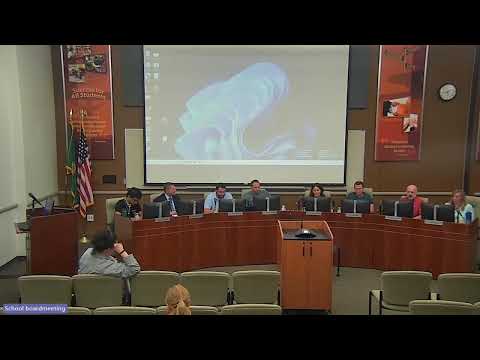
The Kennewick School District presented spring assessment results to the Board of Directors that show some students making measurable growth in early literacy while substantial shares remain below grade level, particularly by second grade and across several middle-school math cohorts. The presentation, led by Alyssa Saint Hilaire, director of assessment and instruction, combined STAR early-literacy growth indicators for kindergarten through second grade with Smarter Balanced results for English language arts and math across grade levels.
District officials said the STAR data measured growth as students moving from lower to higher intervention tiers (for example, from “urgent” to “intervention” or from “intervention” to “on watch”). Saint Hilaire noted that last year was the first year the district administered STAR Early Literacy and STAR Reading to all students, so she described the results as baseline data. She told the board: “This is a growth target. So these students moved either from urgent to intervention, intervention to on watch, or on watch to at or above benchmark.”
Why it matters: board members and staff repeatedly said early grades are pivotal because reading by the end of third grade strongly correlates with later success. Director Dr. Miller called the numbers “particularly problematic,” citing that by second grade “39 percent of the kids are not on grade level and aren't improving toward grade level.” Board members pressed for clearer, faster interventions and for evidence that classroom practice, assessments and instruction are aligned with state assessments.
Key findings and district framing - Early literacy: Saint Hilaire reported the district is tracking both growth (movement between tiers) and proficiency (meeting grade-level benchmarks). She emphasized that some students had “already been at that level” and thus could not show tier growth; the district added separate slides to show counts and percentages at benchmark in addition to growth. Staff and trustees emphasized many students who could have grown did not, and that some students showed only small within-tier gains. - Smarter Balanced and cohorts: The presentation grouped grade levels on single slides so the board could track cohorts year to year (for example, third graders becoming fourth graders). Staff noted reduced participation in some higher-grade assessments (about 8 percent of tenth graders did not attempt an assessment last year), limiting accuracy of trend data for those grades. - Math: The district adopted new K–5 math materials (Clear Math) last year. Results showed mixed cohort changes: small gains in some grades, declines in others. Staff said middle-school cohorts affected by COVID-era learning disruptions (notably the cohorts that were in fifth/sixth grade during the pandemic) show unusually low proficiency in math and will require targeted work.
Board reaction and district response Trustees pressed for concrete steps. Trustee Josh Valentine and others urged “radical” changes where needed and requested district leaders identify and scale practices that produce success. Superintendent Lance Hansen and Saint Hilaire said the district will focus on three priorities: (1) strengthening professional learning communities (PLCs) so teachers align instruction, practice and assessment; (2) using common formative assessments and item analysis to pinpoint skill gaps; and (3) expanding feedback loops so principals, instructional coaches and district staff can spot and replicate powerful classroom practices.
Saint Hilaire described the technical alignment work: “Are we teaching, practicing, assessing in the same manner in which this assessment is doing?” and said the district will improve how quickly teachers receive assessment feedback. Hansen said cabinet walkthroughs are being used to align leaders’ observations and to identify replicable practices. Trustees asked that district leaders identify which schools or classrooms are “bright spots” with higher proficiency and bring those practices to scale.
What the district plans next District staff said they will: - Continue implementing the new K–5 math curriculum and monitor its impact in coming years; - Strengthen PLC work and common formative assessments at the elementary level; - Provide more frequent, actionable assessment feedback to teachers and principals; and - Focus targeted supports on cohorts showing the largest proficiency declines (including some post‑COVID cohorts in middle grades).
Ending: The board asked staff to return with clearer intervention plans, named contacts responsible for monitoring teacher- and school-level progress, and examples of “bright‑spot” practices that could be replicated across schools. Saint Hilaire and Hansen said they expect to report updated progress next year after further implementation of curriculum and procedures.