
EDC approves FY2025–26 work plan and budget, will draw from reserves to cover one‑time investments
Get AI-powered insights, summaries, and transcripts
Subscribe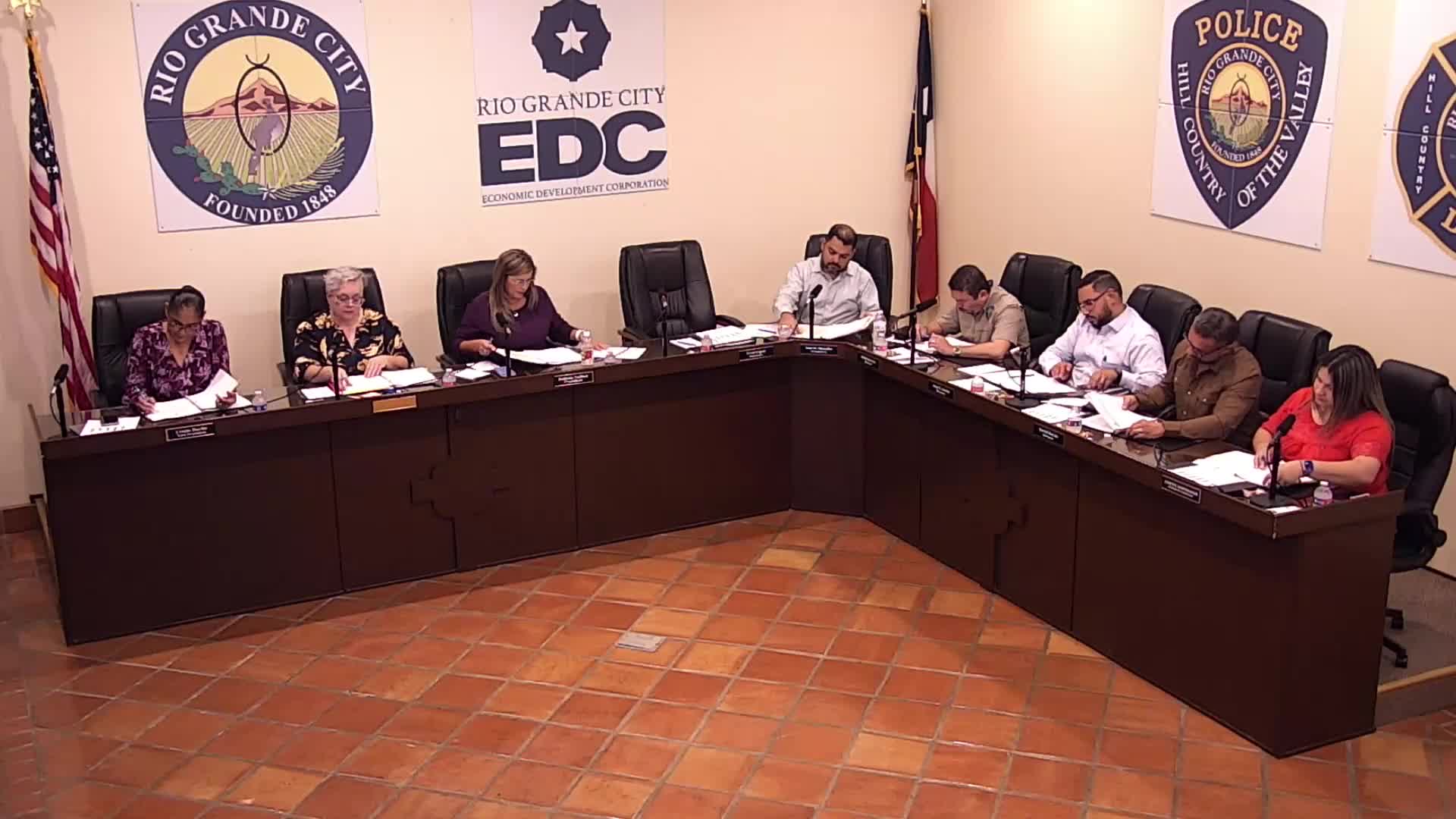
Summary
The Economic Development Corporation approved a work plan and an FY2025–26 budget that uses about $368,860 from unassigned reserves for one‑time projects including a proposed pool and hotel incentives; board directed staff to publish required public hearings for new projects.
The Economic Development Corporation voted Aug. 25 to adopt its FY2025–26 work plan and a budget that authorizes a draw from the EDC’s unassigned fund balance to cover one‑time investments. The board approved the budget in a voice vote after staff and the finance director described the planned expenditures and the expected year‑end reserve level.
Board members said the largest new items in the work plan are a tourism‑oriented pool project, a Main Street beautification line, and a job‑training match tied to a Texas Workforce Commission grant. Finance Director Leon Den told the board that "even with the deficit ... we're still looking at keeping a fund balance of over $2,200,000 at the end of 2026." The board authorized language in the budget resolution to permit the draw from reserves and directed legal staff to draft the specific resolution language.
The nut graf: The board framed the budget as a deliberate, one‑time investment in projects intended to spur economic activity — not ongoing operating expenses — and approved using reserves to bridge the gap while preserving a multi‑year fund balance cushion.
Board discussion and details: Staff presented a work plan that adds three projects the board hadn’t previously budgeted for in this fiscal year: a pool project (listed at $150,000 in the work plan), a Main Street beautification project, and job‑training match funds for a Texas Workforce Commission grant. Staff also identified an existing hotel incentive program and other one‑time items; during discussion staff said that, when certain one‑time items are removed from the proposed budget, the EDC would show an operating surplus under current recurring obligations.
Finance staff presented projections showing a planned budget gap of about $368,860 for the fiscal year; the board voted to authorize that gap to be covered by the EDC’s unassigned reserves, with legal drafting a resolution that documents the draw and the estimated year‑end balance (staff estimated roughly $2.2 million remaining). Board members asked staff to come back with a policy or threshold for minimum reserve levels so the board can set a longer‑term target.
The board also agreed that state or federal reimbursements, partner contributions, or execution of incentive agreements will alter cash flows and that any business incentives beyond the adopted budget would be brought back for board consideration. Members asked staff to advertise and hold public hearings for new, nonrecurring projects that exceed the EDC’s $10,000 public‑hearing threshold as required by local procedure.
Ending: The motion to approve the work plan and budget passed by voice vote; the board directed staff to publish the budget and related public‑hearing notices and to return with the legal resolution language for the reserve draw and with additional reserve‑policy recommendations.