Get Full Government Meeting Transcripts, Videos, & Alerts Forever!
Get email alerts on the Electric Vehicles topic
No spam. Unsubscribe anytime.
Grant covered roughly $100,000 and helped fund electric buses and charging outreach, speakers say
Summary
Speakers described how the Alternative Fuel Incentive Grant (AFIG) offset about $100,000—about a third of bus costs—enabled a pilot of electric buses, supported an EV charging station in a socioeconomically diverse corridor, and prompted collaboration with the Department of Environmental Protection.
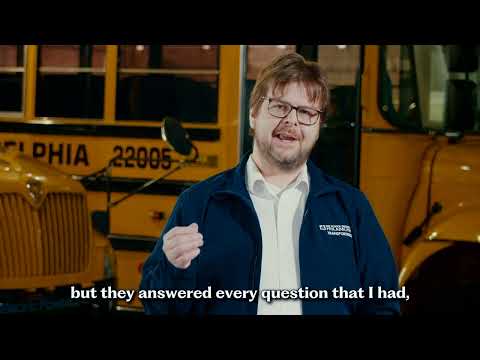
Speakers at the meeting said a state Alternative Fuel Incentive Grant (AFIG) provided roughly $100,000 toward electric buses and helped finance a public EV charging site used by residents who cannot install home chargers. The grant "offset almost a third of the cost of the buses," Speaker 1, Project representative, said, and allowed staff to "experiment with a new vehicle" to judge whether the buses and charging infrastructure would be effective for future use, Speaker 2, Project representative, said. The grant-funded charging station was described as located near retail, public facilities and "right along 2 major corridors that see upwards of a 100,000 vehicles a day," Speaker 3, Project representative, said. Speakers said the site serves residents "who don't have the ability or the capacity to have in home charging stations and are reliant on public charging stations." Speakers framed the project as both an environmental and health intervention for underserved neighborhoods. "We have more pollution in our underserved communities ... because of the higher rates of asthma and preexisting conditions and cardiovascular disease that our communities see, this allowed us to help make an impact," Speaker 1 said. Speaker 5, School/transportation representative, added that "students love the brand new buses and then the quieter ride." Representatives also credited interagency and internal planning. "Starting with the climate action plan, laying out what our long term goals were, and then figuring out what are the benchmarks that we can accomplish" guided grant-seeking, Speaker 3 said. Several speakers said they worked with the Department of Environmental Protection (DEP) during the grant process; Speaker 1 said DEP staff were "responsive and helpful" when the project encountered minor hurdles. Speaker 6, PGW sustainability program representative, said programs such as AFIG help the organization lower its carbon footprint. Speakers reported fiscal and operational effects: lower fuel costs and reduced maintenance for electric vehicles, and savings that "we've saved enough money to be able to reinvest in our students' education," Speaker 1 said. One speaker described their organization as a "two-time recipient of the grant" and said they had purchased one electric vehicle and expected a second soon. Speakers urged other applicants to apply: "My advice to applicants is simply just go for it ... the process is very simple and that the dollars go a long way in changing the lives of those in your community," Speaker 1 said. The discussion in the transcript was descriptive and promotional: speakers recounted how the AFIG grant was used, emphasized equity and public-health benefits, described collaboration with DEP and internal planning, and offered advice for prospective applicants. The transcript records no formal motion or vote related to this discussion.