Get Full Government Meeting Transcripts, Videos, & Alerts Forever!
Get email alerts on the Attendance topic
No spam. Unsubscribe anytime.
District 58 outlines new attendance push, letters and mentoring to reduce chronic absenteeism
Summary
District officials described a districtwide attendance strategy using MTSS, 30‑ and 100‑day letters, PowerSchool/ParentSquare notifications and a new mentoring program to reduce chronic absenteeism and support students early.
Downers Grove Grade School District 58 presented a multi-tiered effort Monday to reduce chronic absenteeism, telling the board the district will use early data, targeted family outreach and a new mentoring program to keep students in class.
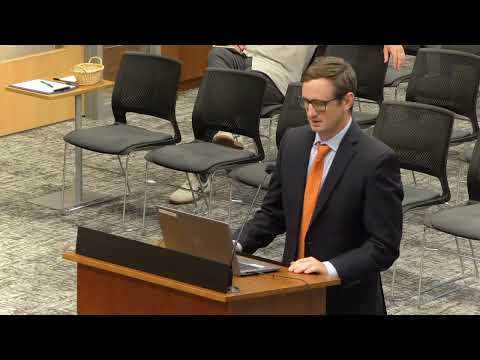
At a board meeting Monday evening, district staff defined chronic absenteeism as missing 10% or more days of school for any reason — roughly one to two days per month — and said the district is aiming for regular attendance of 95% or higher. “It is missing 10% or more days of school for any reason, excused or unexcused,” district presenter Jessica Stewart said. She and another presenter, James, described a multi‑tiered system of supports aligned with the district’s MTSS (multi‑tiered system of supports) framework: tier 1 universal messaging and incentives, tier 2 targeted family engagement, and tier 3 individualized interventions for students at chronic absentee levels.
Why it matters: staff said early absences create academic risk, particularly in preschool through first grade and again in ninth grade, when attendance, behavior and course performance together predict high school completion. Officials also said lower‑income and highly mobile students are disproportionately affected.
How the district plans to act: district staff said every family will receive a 30‑day attendance letter showing the student’s percentage of days present; a second “100‑day” letter will follow with tier‑specific language. Staff also said they can surface live attendance in PowerSchool and will continue using ParentSquare to communicate, while seeking a balance so families are informed but not overwhelmed. A new student mentoring program will pair students with staff or peers as an engagement strategy. James said the district will monitor attendance data early — sometimes within the first month — to identify students needing support.
Board members asked about logistics and equity. One board member suggested making live attendance visible to families through the PowerSchool portal; staff said that is possible and they will work on parent guidance for interpreting the data. Board members also asked whether specified supports are fixed year to year; presenters said tiers are flexible and interventions at tiers 2 and 3 are individualized and adapt over time. Staff noted that medical and mental health absences remain appropriate and will be accommodated.
Next steps and context: staff said the district launched the 30/100‑day letters this year, will continue refining data protocols, and will expand family education and communications about why attendance matters. They also plan to fold attendance work more tightly into MTSS and make the attendance data easier for building teams to use.
Speakers quoted in this article are district staff who presented the attendance work and board members who asked clarifying questions.