Get Full Government Meeting Transcripts, Videos, & Alerts Forever!
Get email alerts on the Animal Control topic
No spam. Unsubscribe anytime.
Selma adopts ordinance making public abandonment of animals a misdemeanor
Summary
The council adopted a new municipal ordinance that makes leaving or abandoning animals in public a punishable offense; city attorney and residents discussed enforcement limits and offense scope.
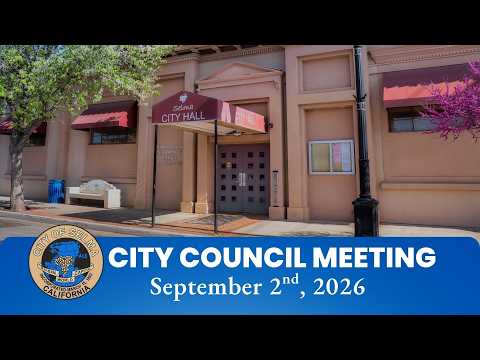
The Selma City Council on Sept. 2 adopted an ordinance adding a municipal prohibition on leaving or abandoning animals in public places within city limits, prescribing misdemeanor penalties to increase deterrence.
City Attorney (unnamed) told the council the ordinance adds a new section to chapter 2 of title 6 of the Selma Municipal Code and is built on an interpretation of Penal Code Section 597 (animal cruelty). The city attorney explained the ordinance makes leaving or abandoning an animal accessible to the public a violation and allows officers to charge a misdemeanor (potential penalties: up to $5,000 fine and/or six months in jail). The officer or witnessing official may instead treat the violation as an infraction with a lower fine of up to $1,000.
“This is all about deterrence,” the city attorney said, noting enforcement is constrained by the requirement that misdemeanors generally must be witnessed by an officer or pursued after a citizen’s arrest. The city attorney added that prosecutions would often depend on a citizen seeing the abandonment take place or on direct evidence such as video showing the act.
During public comment, resident Stella Ramirez asked whether the ordinance would apply when an owner moves out and leaves a pet on private property; the city attorney said the new offense is limited to animals left in places accessible to the public, not animals left inside private residences or fenced yards not open to public view. Mayor Pro Tem Guerra and other council members praised the ordinance; Guerra asked the city to consider a complementary anti‑breeding ordinance, which the city attorney said the city would send to the Department of Consumer Affairs for review before returning it to council.
The ordinance passed on second reading by roll call vote (Councilmember Osagura, Mayor Pro Tem Guerra, Councilmember Trujillo, Councilmember Avalos and Mayor Robertson all voted yes). The city attorney said staff will continue work on a separate breeding ordinance and would submit that draft to the state Department of Consumer Affairs for required review before council consideration.
Why it matters: The ordinance gives city officials a clearer local tool to combat public abandonment of animals, increases potential penalties, and clarifies enforcement limits tied to what is observable by officers or citizens. It does not criminalize all situations involving animals on private property and will be enforced within the constitutional limits described by the city attorney.