Get Full Government Meeting Transcripts, Videos, & Alerts Forever!
Get email alerts on the Annexation topic
No spam. Unsubscribe anytime.
Selma council approves Selma North annexation despite resident complaints about notice and potential costs
Summary
The Selma City Council voted to approve the Selma North prezoning and annexation, including an adjacent 20‑acre parcel, prompting questions from nearby residents about notice, service changes, possible fees and how LAFCO will handle boundaries.
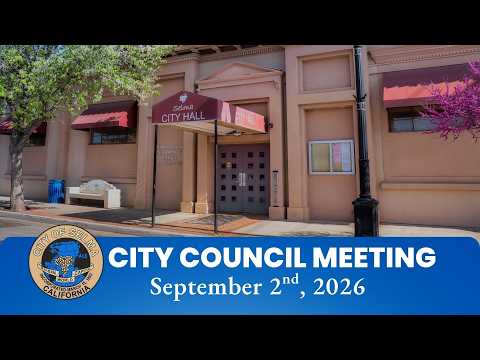
The Selma City Council on Sept. 2 approved a prezoning and annexation package for the Selma North area and separately voted to include an adjacent 20‑acre parcel after public comment raised concerns about notice and potential costs for affected residents.
The annexation and prezoning were presented to council as a proposal to bring roughly 150 acres north of Dinuba Avenue into the city, with staff saying the land is consistent with Selma’s general plan and therefore exempt from CEQA when the project matches the plan. Deputy City Manager Jerome Keane told the council the move would allow the city to control the Dinuba/McCall intersection, improve code enforcement in the area and avoid negotiating service contracts with the county for those parcels.
City planning consultant Jeff Roberts, representing the applicant team, told the council the applicant agreed with the staff and the unanimous planning commission recommendation and was ready to proceed to the Local Agency Formation Commission (LAFCO) for final action. “We’re in full concurrence with the recommendation of staff here this evening,” Roberts said, and asked the council to approve the notice of exemption, the prezoning ordinance and the resolution of application so the matter may advance to LAFCO.
Several nearby residents opposed or sought clarifications during the public hearing. Property owner Lisonbee Yang Bauer asked the council to include her 20‑acre parcel in the annexation so city limits would be even at McCall Avenue; the council approved that inclusion by a separate vote. Resident Gladys Griffiths said mailed notices describing the proposal as north of Dinuba Avenue misrepresented the map she received, which showed some properties south of Dinuba included in the proposal, and she said mailed notices listed inconsistent APNs. Neighbor Jacqueline Harper said she did not want her home placed inside city limits. Resident Mandeep Singh said he had not been notified before learning of the annexation from a neighbor and asked whether annexation would force immediate utility hookups or higher taxes.
Deputy City Manager Keane and the city’s planning staff responded that annexation does not by itself change a property owner’s base 1% property tax rate and does not automatically require immediate hookup to city utilities for homes already served by wells or septic. Keane explained that nonconforming uses generally remain in place after annexation and that property owners who continue using existing on‑site systems are not required to connect until those systems fail or city services are extended; he added that some parcels in the proposal carry commercial general plan designations and that restrictions on rebuilding may differ by zone. Keane also stated that LAFCO advised including adjacent properties to avoid creating “islands” that complicate service delivery.
Council members and staff acknowledged concerns about public notice. Mayor Pro Tem Guerra and others said the notification process should be improved; the deputy city manager said staff uses the county assessment roll for notices and that ownership updates sometimes lag. The city offered to provide LAFCO with updated owner lists and said LAFCO will carry out its own noticing for the annexation hearing. Council directed staff to consider expanded notice procedures for similar future actions, including certified mail, and to pursue a LAFCO work session to review the program and premium calculation questions raised by council.
The council voted separately on two ordinances/resolutions. On the main annexation and prezoning (staff/ applicant proposal) the roll call vote was 4–1 in favor (Councilmember Osagura, Trujillo, Avalos and Mayor Robertson voting yes; Mayor Pro Tem Guerra voting no). The subsequent motion to include the adjacent property owner’s request (exhibit B / resolution 2025‑86R and ordinance 2025‑13) passed unanimously.
Next steps are filing the application with LAFCO. Keane said LAFCO typically takes 80–120 days to act and that final recording and certificates of completion can add another 60–90 days, meaning an effective annexation date could be months after council approval. If LAFCO approves, the city attorney and staff said specified annexation fees (for example, property‑tax sharing and fire protection transition costs) are normally set as part of the LAFCO and property‑tax negotiation process; staff said the applicant will pay required annexation fees identified in the staff report.
Why it matters: Annexation would expand Selma’s growth area, allow the city to control traffic and code enforcement at a busy Dinuba/McCall corridor and shape how development consistent with the general plan is implemented. For affected residents it raises questions about future assessments, service connections and zoning changes that could affect rebuilding rights on commercial‑designated parcels.
The council’s approvals send the proposal to LAFCO; property owners who object can comment at the LAFCO hearing, where the commission will examine the same legal standards and the city’s boundary logic. The staff report, conditions of approval and the project maps are available on the city website.