Get Full Government Meeting Transcripts, Videos, & Alerts Forever!
Get email alerts on the Policy Changes topic
No spam. Unsubscribe anytime.
Committee updates student‑fees language and discusses animals‑in‑schools policy to allow therapy/comfort dogs
Summary
The committee agreed to add language defining inability to pay and to give the superintendent authority to waive certain student fees; it also reviewed the animals‑in‑schools policy to align it with a proposed Bridgewater Police therapy dog program and moved to waive the first reading of the animals policy for a September second reading.
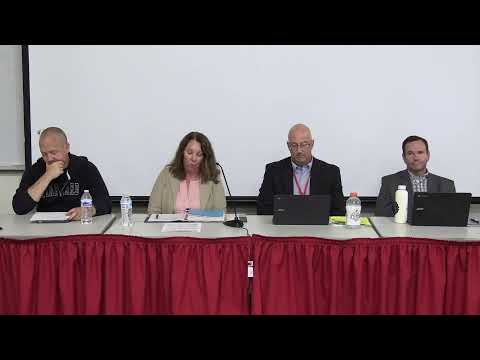
The school committee discussed two district policies at the Aug. 20 meeting: policy JQ (student fees) and the animals‑in‑schools policy (identified as IMG/ING in meeting materials).
Why it matters: Changes to fee policy affect family access to activities and services that may carry charges; the animals policy governs whether therapy or comfort dogs may be present in schools for outreach or crisis response.
Student fees (JQ): Committee members reviewed suggested edits and incorporated two changes: adding a definition for "inability to pay" and adding language granting the superintendent authority to waive certain fees. The committee discussed recommended edits about late fees and permissible penalties but ultimately kept those provisions in the policy as allowable. A motion to approve the policy was made during the meeting.
Animals in schools (IMG/ING): The policy review was prompted by an inquiry from the Bridgewater Police Department about participating in a county comfort/therapy dog program operated by the Plymouth County District Attorney—s Office. Committee members and staff compared proposed edits to the district—s internal animals protocol to ensure no conflict. The superintendent said he had experience using therapy dogs for staff wellness and crisis response and supported aligning the policy to allow programs that are consistent with district protocol. The committee moved to waive the first reading of the animals policy so a second reading could occur at the September meeting.
Next steps: The animals policy will return for a second reading in September; student‑fee language approved by the committee will be placed on the agenda for formal adoption as required.