Get Full Government Meeting Transcripts, Videos, & Alerts Forever!
Get email alerts on the Extension Snaped topic
No spam. Unsubscribe anytime.
Extension warns SNAP‑Ed loss will cut staff; requests $100,000 levy and flags reserve needs
Summary
University of Illinois Extension told the finance committee the SNAP‑Ed federal nutrition education grant will end Sept. 30, costing the county three positions and prompting a $100,000 levy request to stabilize programs.
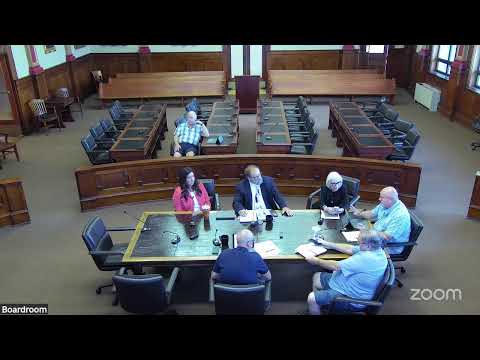
Michael (county extension director) and Mike Delaney, community and economic development educator, briefed the finance committee on University of Illinois Extension programs in Lee County and a looming loss of federal SNAP‑Ed funding that will reduce staff and programming. Programs and reach: Extension described multi‑area programming including 4‑H youth development (traditional clubs, school programming and special‑interest “spin” clubs), Master Gardener training, nutrition and family life education, and community and economic development outreach. Extension reported over 4,000 youth experiences in 4‑H this program year (a 49% increase) and more than 10,000 program contacts countywide across all programs (a 24% increase from the prior year). SNAP‑Ed loss and staff impacts: Michael said Extension has held the SNAP‑Ed (USDA nutrition education) federal grant in the county for decades but that recent federal changes ended that funding stream; SNAP‑Ed programming will end Sept. 30 and the county will lose three SNAP‑Ed positions. “Our request is a $100,000 this year,” Michael told the committee, asking the board to consider increased levy support in the face of federal reductions. Funding mix and reserves: Extension explained the program funding model as a three‑legged stool: local county levy, state match (a roughly 75% match of local levies in Illinois), and federal Smith‑Lever (USDA NIFA) and grant dollars. With SNAP‑Ed ending, local sources will make up a larger share of revenue (staff estimated local sources at about 46%, federal 20% and state match about 34%). The director said current cash reserves provide about 12 months of liquidity, and that carryover helped the organization during past state budget gaps. Community partnerships and workforce development: Extension staff described partnerships with schools, ROE and local businesses for in‑school programming, career readiness, ServSafe food‑safety proctor training and worksite tours; staff also said they are preparing a “hometown leaders” program to bring high‑school students to county meetings and office tours. Ending: Extension leaders said they will continue to pursue grants, conserve reserves and asked the county to consider sustainable local support if the federal funding loss persists. They asked the committee to remain open to creative partnerships, including possible county office space to reduce rent costs (currently built into their local budget at roughly $26,000/year).