Get Full Government Meeting Transcripts, Videos, & Alerts Forever!
Get email alerts on the Governance And Elections topic
No spam. Unsubscribe anytime.
Supervisors debate petition signature invalidation; board enters executive session on pending litigation
Summary
Supervisors and members of the public criticized the county's handling of a petition to create a county executive after a large share of signatures were invalidated; the board voted to enter executive session to discuss pending litigation tied to the petition.
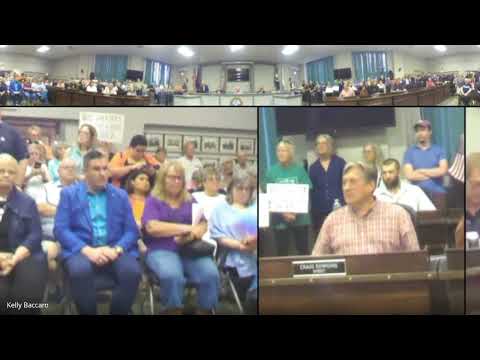
A contentious discussion over a citizens' petition to create a county executive in Columbia County dominated public comment and an extended portion of the July 9 board meeting. Supervisors and petition supporters questioned the process used to validate signatures after the county invalidated a substantial share of the submissions; the issue is the subject of pending litigation.
Supervisor Michael Schumanas (Hudson Third Ward) said he learned about the county's actions through news reports and told colleagues, "I'm really concerned about the idea that we're potentially spending money to disenfranchise our own voters." Several other supervisors and petition circulators said they had not been briefed in advance and urged the board to explain who reviewed and invalidated signatures and why.
Supervisor Orchard (who said he circulated the petition) described petition circulation as a core democratic process and urged a public vote if the petition met statutory thresholds. Orchard said county voters deserved a vigorous debate on whether Columbia County should adopt a county-executive form of government.
Speakers raised several specific concerns: reports that roughly 40% of petitions were invalidated; claims that some signature reviews were performed by a limited number of staff rather than the full board of elections; and that the county retained outside counsel to advise on the petition review. Multiple supervisors said they learned of the action through media reports rather than through internal board channels.
After public comment and supervisor discussion, a motion and second to enter an executive session to discuss pending litigation was made and carried. The chair told members of the public they would be asked to leave the room for the private session and that supervisors would invite the public back for any subsequent public actions.
The board concluded a lengthy executive session and adjourned. The meeting record shows litigation connected to the petition was discussed in closed session; no further public details were released at that time.