Get email alerts on the Temporary Uses Structures topic
No spam. Unsubscribe anytime.
Commissioners weigh temporary‑use rules; staff adds emergency retroactive permit language
Summary
The Planning Commission reviewed draft amendments to temporary uses and structures, including clarifications for emergency deployments and limits on overnight accommodation in temporary installations; staff told commissioners the emergency‑retroactive provision reflects recent wildfire and COVID responses.
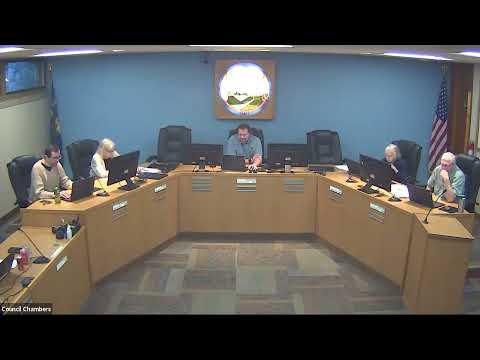
City staff presented proposed updates to the temporary uses and structures section of the development code during the May 27 work session and sought commissioner input on scope and enforcement.
Staff said several changes came from commission comments last year and some were added after recent events. Kelly said the draft adds specificity about who may declare an emergency for retroactive permitting — for example, following wildfires or other declared emergencies — enabling temporary deployments and later retroactive permits. “This will give them a way that it’s been declared as a state of emergency by the governor of Oregon,” she said, describing previous cases when trailers or temporary equipment were placed on municipal or private property and later permitted retroactively.
Commissioners asked how the code would treat overnight accommodation in temporary structures, including firefighter or disaster response staging and emergency sheltering. Staff noted that the emergency provision could allow retroactive permits for state‑declared emergencies and suggested the code be clarified to exempt authorized disaster relief or emergency operations. The commission also discussed enforcement responsibility and monitoring; staff said applicants are expected to monitor temporary uses and that the city lacks capacity to continuously monitor every installation.
Other items discussed included whether provisions could be used to prevent occupational or informal overnight use of job trailers (a safety concern flagged by commissioners) and how temporary‑use time limits relate to pod containers used during moves. Commissioners asked staff to clarify definitions for “outdoor storage” and to add more objective language where possible.
Next steps: Staff will refine the draft to address the commission’s questions, clarify monitoring responsibilities, and confirm how the emergency exemption would apply to sheltering or staging for firefighting or other disaster responses. No ordinance or formal vote was taken at the meeting.
AI generated
The text on this page is AI generated. Summaries, highlights, analysis, and video transcripts are all produced from the original source material.
AI can make mistakes, so if you spot one, and we will fix it for everyone.
Note: the source content is unaltered by us. Any content source we link to, be it a video, an audio recording, or a document, is presented exactly as its publisher released it. That publisher is usually a government body, sometimes an individual official or another organisation.