Get Full Government Meeting Transcripts, Videos, & Alerts Forever!
Get email alerts on the City Budget topic
No spam. Unsubscribe anytime.
City of Sandy unveils $188 million biennial budget with reserves and infrastructure emphasis
Summary
The City of Sandy presented a balanced $188,040,481 proposed budget for the 2025–27 biennium, highlighting investments in utilities, parks, code enforcement and an asset-replacement program while preserving a contingency reserve and planning for rate increases tied to water and wastewater projects.
The City of Sandy on Monday released a proposed biennial budget of $188,040,481, a balanced plan that city staff said sets priorities for the next two fiscal years while preserving contingency reserves.
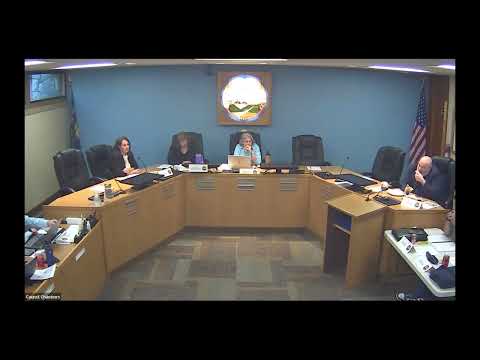
City Councilor Linda Malone, named chair of the budget committee at the start of the meeting, led presentation of the budget message, which frames the document as funding for the city’s operating programs, capital work and contingency. Finance staff reported the proposal includes roughly $81 million for operating costs, about $82 million for capital projects and roughly $25 million held as contingency and reserves.
The budget message said the city population is about 13,000 and that the document is balanced — revenues equal expenditures — consistent with Oregon budget law. Major highlights include seed funding and policy steps aimed at code enforcement, utilities, parks and an asset-replacement program:
- A $50,000 abatement fund to support proactive cleanup and code enforcement of derelict vehicles and right-of-way nuisances (seed funding for initial abatement work and liens where applicable).
- Continued investment in water and wastewater capacity projects; staff said the budget assumes continued utility rate increases to pay debt service for those projects and includes a substantial capital-reserve buildup within the utility funds (about $16.8 million of the contingency/contingency-like funds are in water and wastewater).
- A new asset- and vehicle-replacement practice. The budget increases a biennial set-aside for general fund asset replacement (staff noted the biennial set-aside moves from historical levels of about $110,000 to $850,000 across funds) and establishes a $150,000 pool in non-departmental contingency for vehicle and facility capital repairs.
- Parks funding changes including a policy to stop charging the city’s own parks and splash-pad irrigation and wastewater costs to internal city accounts. Staff estimated that change will free roughly $100,000 over the biennium for parks maintenance and projects. The committee also budgeted seed money to support community-led parks-district planning ($25,000).
- Funding and near-complete drafting for the SandyNet master plan. Staff said the master plan is near adoption and the budget starts to include staffing, rate and deployment elements discussed in that plan.
Staff also flagged several fiscal caveats: the proposed budget uses conservative assumptions on property-tax growth (4% year one and 3.5% year two), reflects higher personnel costs (including a net increase of roughly 9.07 full-time-equivalent positions during the biennium that raises total FTE to about 92.76), and anticipates increases in the public-safety fee used to fund two officer positions because of higher personnel and PERS costs.
Why it matters: City officials said the budget seeks to maintain services while building reserves and beginning to fund capital and vehicle replacement instead of depending on mid-cycle emergency requests. Officials noted the budget still leaves roughly $467,000 in unallocated one-time funds for committee prioritization.
Committee action: The committee nominated and selected Linda Malone as chair for the budget committee; the selection was made by members raising hands and the chair called the nomination approved.
What’s next: Staff said they will detail department-level budgets at subsequent meetings, refine multi-year projections in the “off-budget” year and return with proposals for financial sustainability and any program-level changes needed to maintain long-term balance.