Get Full Government Meeting Transcripts, Videos, & Alerts Forever!
Get email alerts on the Public Meetings Ethics topic
No spam. Unsubscribe anytime.
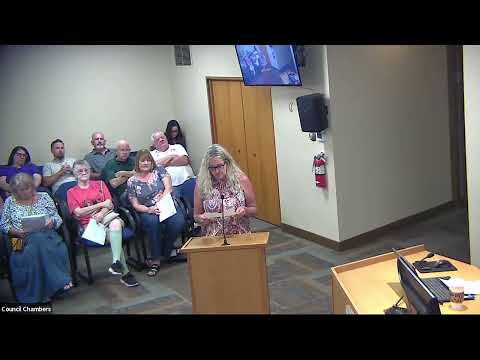
Sandy council and city attorney call for coordinated response to OREC/OGEC guidance on serial meetings
Summary
Councilors on Aug. 18 voiced urgent concern about recent Oregon Government Ethics Commission guidance on serial meetings and asked staff to coordinate advocacy with state and municipal partners while preparing for possible litigation.
Councilors on Aug. 18 voiced urgent concern about recent Oregon Government Ethics Commission (OGEC) guidance that staff and several attorneys described as an expansive interpretation of the state public meetings law, and asked staff to coordinate a statewide response.
A councilor framed the issue as a threat to the ability of locally elected officials to conduct ordinary business. That speaker said an OGEC decision could limit or prohibit routine communications between elected members outside of a noticed public meeting and described the approach as “insane” if applied broadly: “Can you imagine doing your job and not being able to talk to anybody on here other than in this meeting in this form?” the councilor asked. The speaker said such an interpretation could shift practical power from elected councils to administrators who would have to carry out most actions.
Legal perspectives and proposed actions City legal counsel and other municipal attorneys in the room said the concern is widespread. Josh (attorney and president of the Oregon City Attorneys Association) told the council that the issue has statewide reach and that municipal legal organizations are engaged: “LLC is obviously deeply involved and focused on this issue,” he said, referring to the League of Oregon Cities (LOC). Josh said his office and the Oregon City Attorneys Association are preparing letters to OGEC and that litigation or a legal fund might become necessary if OGEC issues a ruling that jurisdictions believe exceeds the statute’s intended scope.
Council priorities discussed - Advocacy: Council members asked staff to reach out to the governor’s office and allied legislators to press OGEC for a narrower, workable interpretation or for administrative restraint. Several councilors proposed rapid coordination with LOC and a multi-city coalition to apply pressure and, if required, prepare legislative fixes. - Litigation readiness: Several councilors and counsel discussed preparing an administrative-appeals and litigation path if OGEC issues a final ruling that municipalities view as unworkable. - Immediate caution: Staff advised continued caution in communications and noted uncertainty about exactly how OGEC will apply any guidance; some informal OGEC comments made at trainings had already been clarified (for example, OGEC changed earlier comments about media contacts), but attorneys warned that social media and staggered conversations between elected members remain risky under the broader OGEC view.
What council asked staff to do The council sought a coordinated effort that includes: (1) working with LOC and the Oregon City Attorneys Association on advocacy and outreach, (2) contacting the governor’s office to raise the issue and request administrative restraint, and (3) preparing for potential litigation or a legal fund in coordination with other cities if necessary. Councilors stressed urgency: the issue could immediately affect how councilors communicate about pending local matters.
Ending Councilors did not seek an immediate ordinance or formal local rule change at the meeting; rather they asked staff and legal counsel to pursue rapid, coordinated advocacy and prepare options for legal response if OGEC issues an unworkable final ruling.