Get Full Government Meeting Transcripts, Videos, & Alerts Forever!
City attorney walks Sandy Planning Commission through land‑use rules, bias and ex parte limits
Summary
City attorney Josh Soper gave a two‑hour land‑use training covering legislative vs. quasi‑judicial roles, bias and conflicts of interest, ex parte contacts, hearings and appeals, the 120‑day rule, clear‑and‑objective standards and recent state housing statutes.
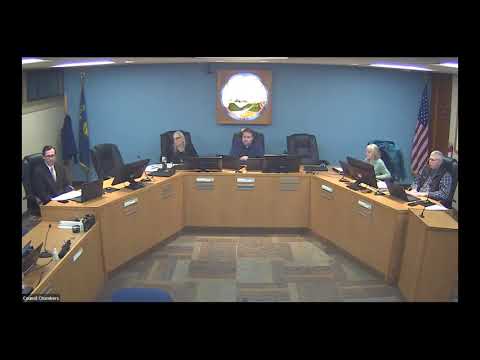
City Attorney Josh Soper led an extended land‑use training for the Sandy Planning Commission, reviewing state law frameworks and rules commissioners must follow when handling legislative and quasi‑judicial matters.
Soper began with history and structure, noting Oregon’s long land‑use framework: “We’ve had land use law in Oregon for over 50 years now starting with Senate Bill 100, which was adopted in 1973,” he said. He described the twin paths commissioners will encounter: legislative actions that set policy and quasi‑judicial matters that require application of pre‑existing criteria to specific properties.
He emphasized how the two roles differ. Legislative decisions, he said, allow commissioners to bring policy perspectives to votes. Quasi‑judicial matters, however, require impartial adjudication. Soper explained LUBA (the Land Use Board of Appeals) and why appeals go there, and he urged commissioners to avoid actions that…
Already have an account? Log in
Subscribe to keep reading
Unlock the rest of this article — and every article on Citizen Portal.
- Unlimited articles
- AI-powered breakdowns of topics, speakers, decisions, and budgets
- Instant alerts when your location has a new meeting
- Follow topics and more locations
- 1,000 AI Insights / month, plus AI Chat