Get Full Government Meeting Transcripts, Videos, & Alerts Forever!
Get email alerts on the Land Use Procedures topic
No spam. Unsubscribe anytime.
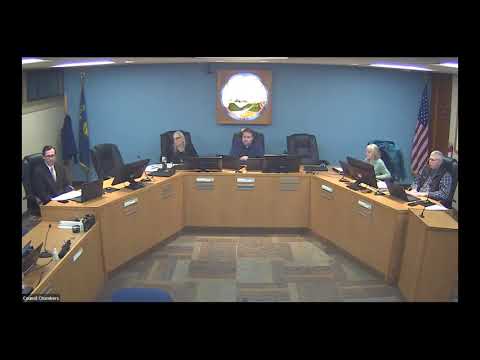
City attorney walks Sandy Planning Commission through land‑use rules, bias and ex parte limits
Summary
City attorney Josh Soper gave a two‑hour land‑use training covering legislative vs. quasi‑judicial roles, bias and conflicts of interest, ex parte contacts, hearings and appeals, the 120‑day rule, clear‑and‑objective standards and recent state housing statutes.
City Attorney Josh Soper led an extended land‑use training for the Sandy Planning Commission, reviewing state law frameworks and rules commissioners must follow when handling legislative and quasi‑judicial matters.
Soper began with history and structure, noting Oregon’s long land‑use framework: “We’ve had land use law in Oregon for over 50 years now starting with Senate Bill 100, which was adopted in 1973,” he said. He described the twin paths commissioners will encounter: legislative actions that set policy and quasi‑judicial matters that require application of pre‑existing criteria to specific properties.
He emphasized how the two roles differ. Legislative decisions, he said, allow commissioners to bring policy perspectives to votes. Quasi‑judicial matters, however, require impartial adjudication. Soper explained LUBA (the Land Use Board of Appeals) and why appeals go there, and he urged commissioners to avoid actions that would give LUBA grounds to remand decisions back to the city.
Soper gave detailed guidance on bias, ex parte contacts and conflicts of interest. He said ex parte contacts are not unlawful but must be disclosed, including the substance of any communication, so the record can be complete. On conflicts of interest he noted Oregon ethics law focuses on economic interests: “Regardless of whether it’s an actual or a potential conflict of interest, you have to disclose it. And if it’s an actual conflict of interest, you have to recuse yourself,” he said, urging recusal and advising commissioners to contact the Oregon Government Ethics Commission (OGEC) for personal guidance.
The attorney reviewed hearing requirements for quasi‑judicial proceedings, including notice and the requirement that staff provide applicable criteria in the record. He explained the initial evidentiary hearing rule that gives interested parties a right to request more time or a continuation to present additional argument or evidence, and the applicant’s seven‑day period to submit final written argument after the record closes (unless waived).
Soper reviewed the 120‑day rule (cities must render a final decision on a complete application within 120 days unless an extension is granted), recent changes to the “fixed goal post” rule and a 2024 legislative change that allows applicants to opt into new housing rules enacted after submittal. He also summarized the new mandatory adjustments statute enacted in 2024, explaining it requires jurisdictions to allow up to 10 adjustments in specified categories for certain housing developments and that the city is preparing an exemption request to DLCD.
On constitutional and exaction law, Soper explained nexus and rough proportionality standards from the Nolan/Dolan line of cases and advised caution with off‑site improvements and exactions. He closed with procedural reminders — serial meeting rules, public meetings law, and the importance of written findings supported by substantial evidence when a commission reaches a decision that differs from staff recommendations.
Commissioners asked clarifying questions on topics from OGEC training requirements to how to handle social media and Zoom disruptions. Soper said communications with staff are permitted but communications outside the record about pending applications should generally be avoided. He recommended commissioners document and declare any perceived conflicts or ex parte contacts at hearings so the record is transparent.
The session included a resource list and Soper told commissioners the city and his firm will offer supplemental trainings and materials. He also flagged that some items in Oregon law remain ambiguous and that local practice and staff coordination will be important as new state rules are implemented.