Get Full Government Meeting Transcripts, Videos, & Alerts Forever!
Get email alerts on the Transient Lodging Tax topic
No spam. Unsubscribe anytime.
Sandy council advances proposal to double transient lodging tax to 6% in first reading
Summary
Council approved the first reading of an ordinance to raise the city's transient lodging tax from 3% to 6% (6-1 vote). The increase is projected to generate about $100,000 for the biennium; 70% of the existing 3% remains for tourism uses and the new incremental 3% is split 70% tourism, 30% general city services.
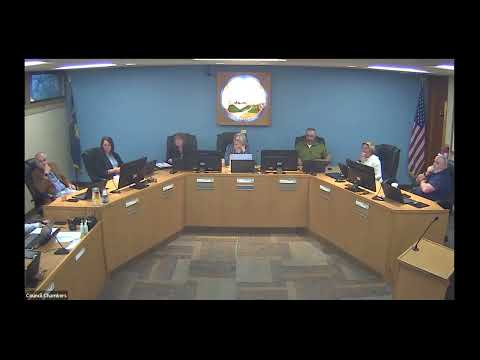
SANDY, Ore. — The Sandy City Council voted 6-1 on the first reading Tuesday to raise the city's transient lodging tax from 3% to 6%, moving the measure toward final adoption pending a second reading.
Finance staff member Tyler told council the city's 3% rate had not been updated since 1996 and the proposed increase would bring Sandy closer to rates charged by nearby jurisdictions. Tyler said the change is expected to generate about $100,000 in additional revenue for the 2025-27 biennium.
Under the staff plan the existing 3% portion remains restricted to tourism-related uses. The additional 3% would be treated differently: 70% of the new revenue would support tourism and marketing, while up to 30% could be used for general city services. Tyler said staff modeled the change and incorporated the revenue into the adopted 2025-27 budget.
Councilors asked for context on neighboring rates and whether county or state levies would be added on top of Sandy's tax; staff noted county and state transient lodging taxes can apply separately, and amounts collected by other jurisdictions vary. The council did not change the text on first reading and directed staff to prepare the ordinance for final adoption at a subsequent meeting.
Because the vote at first reading was 6-1, the measure requires a second reading before it becomes law.