Get Full Government Meeting Transcripts, Videos, & Alerts Forever!
Get email alerts on the Wastewater Alternatives topic
No spam. Unsubscribe anytime.
Council approves first reading of ordinance creating process for alternative wastewater systems
Summary
Council approved first reading of an ordinance to amend development code to allow alternative wastewater systems (temporary porta‑potties, graywater reuse and other alternatives) under defined criteria, with council retaining final approval authority. Debate focused on definitions, timelines for connecting to sewer, SDCs and enforcement.
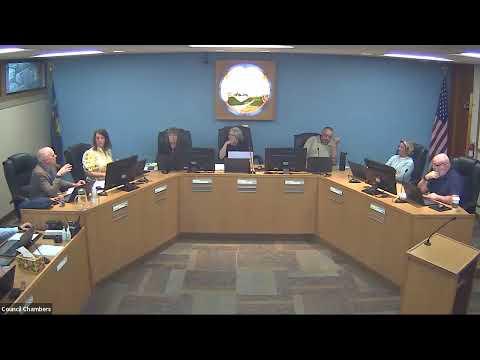
The Sandy City Council on July 21 approved the first reading of an ordinance that creates a permit pathway for alternative wastewater systems, a change staff said is intended to let certain commercial and industrial projects proceed during the city’s ongoing sewer moratorium period.
Staff told the council the ordinance creates a new review path to allow temporary and some permanent alternative systems—commonly described in the discussion as porta‑potties, graywater reuse systems and, in limited cases, septic or engineered alternatives—subject to criteria and conditions of approval. Planning commission recommended approval, with commissioners suggesting two clarifications regarding porta‑potty maintenance frequency and whether some commercial uses should be eligible when the public is present but unlikely to use restrooms regularly.
Why it matters: The city is working under constrained wastewater capacity and an allocation of ERUs. The ordinance is intended to create discretionary council oversight of non‑standard wastewater solutions so projects that cannot wait for sewer availability can still move forward in a controlled manner.
Key provisions and debate: The ordinance sets criteria for alternative systems, requires systems to protect against environmental contamination, and gives council authority to require removal or connection when sewer becomes available. Staff explained that porta‑potties are expected to be short‑term solutions and proposed a 90‑day connection window in situations where a sewer connection becomes available; graywater systems were described as potentially permitted for the life of the installed system. Several councilors pressed for clearer definitions and requested conditions to address fixtures, floor drains, and where collected water would be sent. The council’s discussion also covered SDC (system development charge) timing: staff advised that collecting SDCs up front for a system that does not impact city sewer right now could be legally problematic, though the city could accept voluntary prepayments.
Council action: Councilor Smallwood moved and Councilor Hokanson seconded a motion to adopt the ordinance on first reading; the motion passed (not unanimous), forwarding the proposal for a second reading. Planning commission comments and suggested clarifications will be incorporated or returned to council as requested.
Outstanding issues: Councilors and staff noted the need to clarify the code language on: whether commercial establishments that welcome the public but rarely have restroom use (auto parts, some retail) should be eligible; the criteria for when permanent septic or other systems may remain in place versus requiring connection to city sewer; and how SDCs and sewer‑extension costs will be handled at the time of future connection. Staff indicated that the council retains discretion to set timelines (for example a negotiated “useful life” for an alternative system) on a case‑by‑case basis when approving permits.
Next steps: Staff will bring back refined ordinance language incorporating planning commission suggestions and clearer definitions of timelines/conditions for different classes of alternative wastewater systems. A second reading of the ordinance will be scheduled.