Get Full Government Meeting Transcripts, Videos, & Alerts Forever!
Wood Village finance director outlines how Oregon property‑tax rules squeeze local services
Summary
A Wood Village presentation to the Fairview City Council reviewed the history and mechanics of Oregon property‑tax limits, explained how Measure 5 and Measure 50 created assessed‑value compression and inequities, and warned that the current system shifts costs and complicates long‑term funding for police, fire and schools.
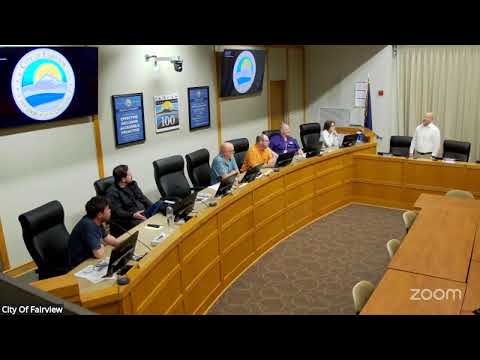
Seth, Wood Village finance director, told Fairview officials and residents at a May 21 meeting that Oregon’s property‑tax rules — particularly changes from Measure 5 and Measure 50 — have made local revenue less predictable and shifted more of the cost of public safety and schools to state funding and to some neighborhoods.
“That divorce from what’s actually happening and your actual means of ability to pay — that’s how I explain to people,” Seth said. “Assessed value … it doesn’t have a basis in reality.”
The presentation traced Oregon’s tax shifts from pre‑Measure 5 practice (where local jurisdictions estimated needs and assessors set rates) through Measure 5’s cap on taxes based on real market value and the later adjustments in Measure 50 that created a separate assessed value figure. Seth said the assessed value mechanism caps assessed‑value growth at 3% annually and was intended to stop rapidly rising tax bills, but it also…
Already have an account? Log in
Subscribe to keep reading
Unlock the rest of this article — and every article on Citizen Portal.
- Unlimited articles
- AI-powered breakdowns of topics, speakers, decisions, and budgets
- Instant alerts when your location has a new meeting
- Follow topics and more locations
- 1,000 AI Insights / month, plus AI Chat