Get Full Government Meeting Transcripts, Videos, & Alerts Forever!
Get email alerts on the School Programs topic
No spam. Unsubscribe anytime.
Prairie students, volunteers showcase decade-old community garden as classroom
Summary
Students, retired teachers and volunteers described the Backyard Garden at Prairie Elementary as a hands-on learning space that supports science, nutrition and social-emotional learning; presenters asked the board and community to keep supporting maintenance and summer watering.
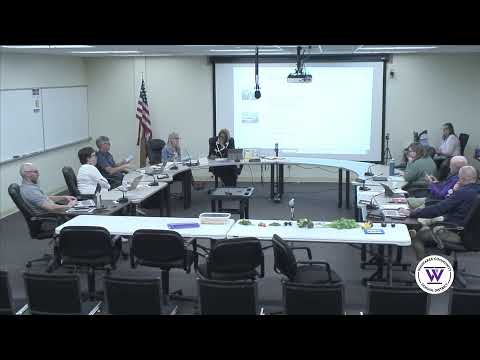
Prairie Elementary students and volunteers told the Waunakee Community School District Board of Education on Monday that the school garden has grown into a year‑round learning space that teaches science, nutrition and responsibility. The presentation was part of the board’s Warrior Spotlight segment and included current and former students, classroom teachers and retired staff. "The school garden is more than just a patch of soil," said Trish Jameson, a retired teacher who helps maintain the site. "It's a living classroom where students have explored science, nutrition, and sustainability." Nut graf: Presenters said the garden — created more than 11 years ago with grant funds and volunteer labor — is used across grade levels for curriculum-aligned lessons, summer programming and community volunteering, and provides produce for classrooms and the cafeteria when harvests allow. That mix of curricular connection and volunteer support, they told the board, makes the garden a unique resource for Prairie students and families. Body: Trish Jameson, who described the garden’s origin and volunteer base, said plants are sourced from the high school greenhouse sale and local donors, and that volunteers and retired staff continue regular maintenance. "Families have also had the opportunity to engage in this enriching experience, creating lasting memories and connections with our community," she said. Students described classroom activities tied to the garden: starting seeds in Ziploc bags on windowsills, using an app called Planter to design beds, growing basil and sage and turning some harvests into classroom pesto and pickles. Third‑graders described watching monarch butterflies and releasing them into the garden’s pollinator area. Presenters also said the garden supports social-emotional learning, offers a peaceful place for students to regulate behavior, and provides hands‑on science experiences aligned with life‑cycle curriculum standards. Volunteers and the district grounds crew were credited with recent revitalization work; presenters asked community members to sign up for summer watering and weeding shifts via a school newsletter and Facebook page. Board members thanked the guests and recognized student participants by name. Ending: The presentation did not ask the board for specific new funding; presenters requested continued volunteer support, donations of plants or supplies, and recognition of the garden as a long‑term instructional resource. The garden will be featured in school communications and the district’s newsletter as volunteers recruit summer helpers and donors.