
Polk County deliberates distribution of $343,000 discretionary fund for employee pay and recruitment
Get AI-powered insights, summaries, and transcripts
Sign Up Free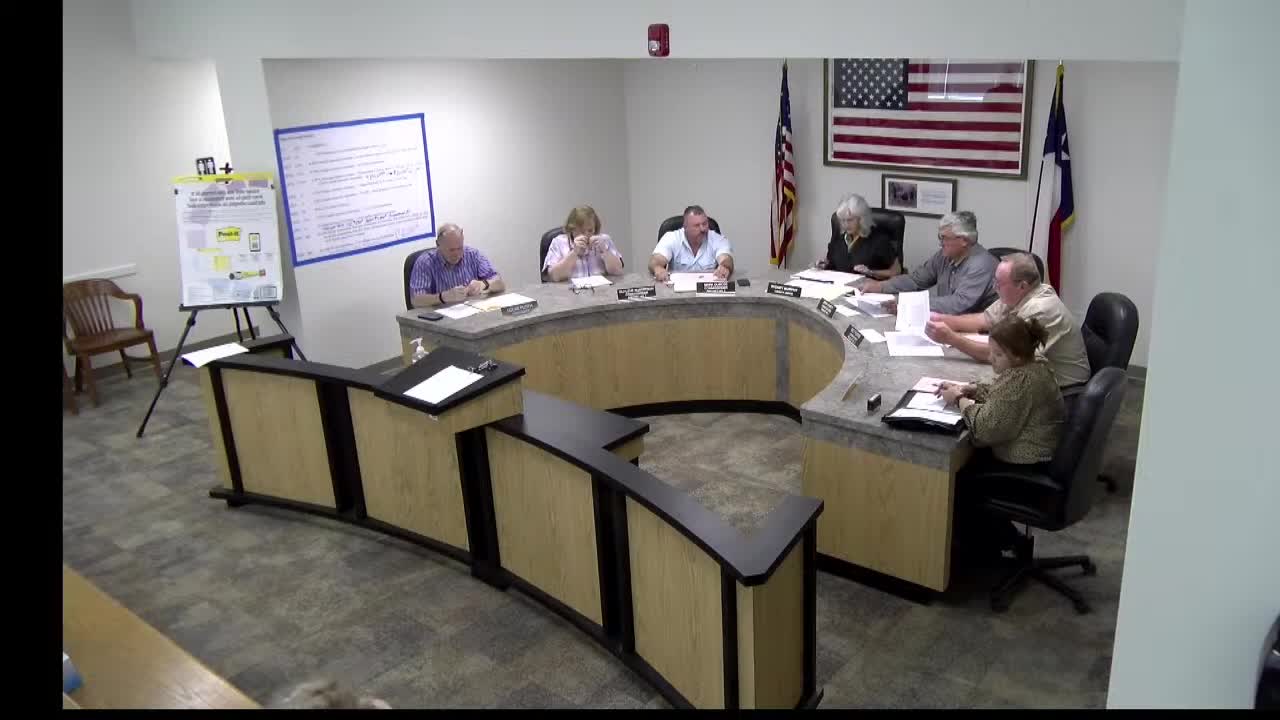
Summary
County staff presented options for dividing $343,000 in discretionary funds after a $3,000 across‑the‑board increase; discussion focused on using funds to boost starting steps for jailers and dispatchers, the effect of state "SB 22" pay supplements, rising health premiums and limits on raising revenue without voter approval.
Polk County officials on Aug. 25 discussed how to allocate $343,000 in discretionary funds as the county implements a $3,000 across‑the‑board pay increase and copes with rising health insurance costs.
Staff outlined past pay actions, said discretionary funds are typically distributed by department payroll share and presented options for using the current balance to improve recruitment and retention in the sheriff’s office and jail. “Today this budget has $3,000 for all employees. We had an 8% increase in health premiums…and we have $343,000 for the court to decide,” the staff member said.
The discussion centered on two near‑term choices: keep the discretionary pool divided proportionately among county departments, or direct a larger share to public safety to allow new hires such as jailers and dispatchers to start at a higher pay step. Staff suggested that moving new hires from step 1 to step 2 in the pay scale for targeted positions would aid recruitment and would not require immediate, ongoing policy changes for current employees.
Why it matters: County staff warned that further pay increases beyond the budgeted $3,000 would require substantial revenue or voter approval. The staff member said the county’s current tax rate is at the voter approval limit (0.5986) and that generating an additional $1 million would require raising the rate to roughly 0.61889 and securing voter approval. Staff also told the court a request submitted by some offices totaled roughly $4 million in salary increases, a figure the staff said the county cannot meet without additional revenue or prioritization.
Details and context: Staff reviewed recent steps and benefit changes that shape the discretionary discussion. Between 2019 and 2025 the county implemented a compensation study, step/merit and COLA adjustments and health premium increases. Specific numbers cited by staff included: - $343,000 currently available in the discretionary fund for the court to allocate. - In an earlier fiscal period discretionary funding available was $135,699, of which about 80% went to the sheriff’s office and jail. - The county provided a $3,000 across‑the‑board increase in 2025 and an additional $1,400 for employees who had previously received larger SB 22‑related increases. - SB 22 distributions noted by staff included example amounts of $3,400 to some officers and $5,800 to jailers and nurses who were eligible under that state allocation. - Health premium per employee was cited as $12,244 and staff stated total health insurance costs for taxpayers in the current year at roughly $3,000,000 (as described in the meeting). - Longevity pay was redesigned: year 2 and year 4 = $500 each; years 5–9 = $1,000; years 10–14 = $2,000; years 15–19 = $2,500; years 20–24 = $3,000; cap at $4,000. Staff said total longevity in the budget is $281,500. The program replaced a prior formula that paid about $60 per year with a $1,200 cap.
Staff emphasized constraints on any larger pay plan. “If we wanted to go over this rate, then this court would have to decide to raise taxes and have an election,” the staff member said, and added that the deadline to change rates for the current budget cycle had passed. Staff asked the court for guidance and said they would prepare a recommendation for the next meeting.
Positions and pay scales: Staff described county pay scales (100 and 200 groups, each with 16 steps) and said the 200 group was developed mid‑year to distribute SB 22 funds as the sheriff requested. The presenter noted the sheriff’s office and jail have a larger share of personnel in the general fund payroll, which affects how discretionary money is typically allocated.
Discussion points from elected officials included support for directing a larger share of discretionary funds to the jail and sheriff’s office to improve starting pay for recruits, concerns about leaving some employees ‘‘behind’’ if funds are concentrated, and questions about whether benefits such as longevity or insurance could be reprioritized. One elected official said, “I’m gonna stay with my recommendation, really,” when asked for a position; the staff member cautioned that changing benefits like longevity would affect different employee cohorts and could require policy choices the court must weigh.
What was not decided: The court did not take a formal vote or adopt a final allocation. Staff said they will return with numbers and a formal recommendation. Staff also said any permanent change that requires increased ongoing revenue — for example, a county tax increase to fund larger pay raises — would require voter approval and cannot be enacted in the current budget cycle.
Ending: Commissioners directed staff to model the cost of alternative distributions — including the cost of starting new hires at step 2 for targeted public safety positions — and to return with a recommendation at the next meeting. Staff reiterated that total discretionary funds are fixed at $343,000 for the current budget and that final allocation decisions will be reflected in the county’s next budget actions.