
Union County parent urges board to reverse alternate‑meal policy, cites student shame and fiscal tradeoffs
Get AI-powered insights, summaries, and transcripts
Subscribe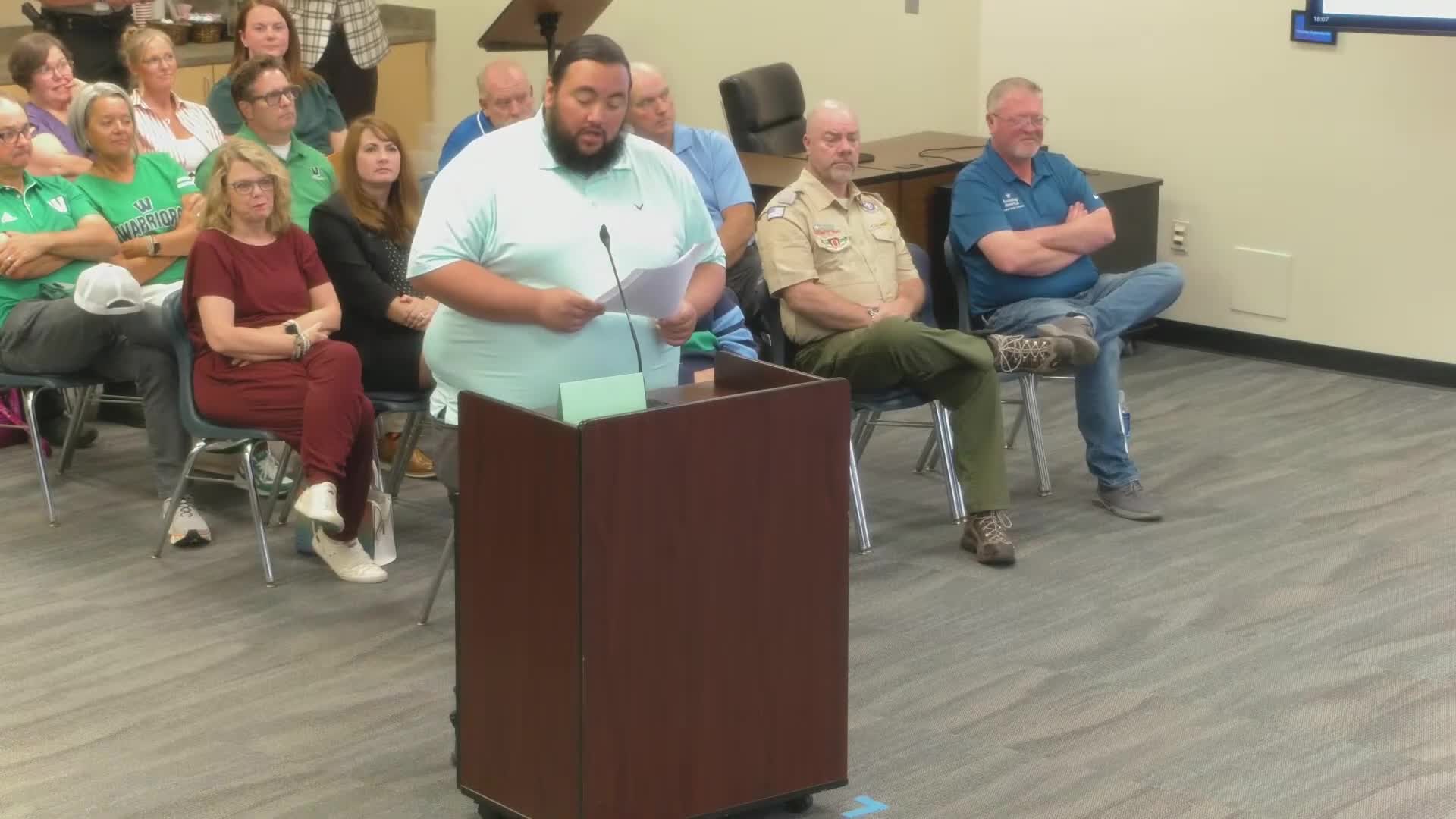
Summary
A public commenter told the board that a UCPS policy reinstated Aug. 5 requires school nutrition to take meals from students with roughly $20 negative balances and provide an alternate meal, which he said causes shame and may cost the district more than the widely reported $300,000 lunch debt.
Christian Velasquez, a community member, urged the Union County Board of Education to reverse a board policy reinstated Aug. 5 that he said requires school nutrition staff to withhold standard meals from students whose negative meal account balances exceed about $20 and to provide an alternate meal instead.
Velasquez said the policy creates food waste, revenue loss and, most importantly, shame for children. "These children deserve that resource free of shame," he said.
Velasquez provided figures to frame the district impact: he said the widely publicized lunch debt is about $300,000 and estimated that, when divided per student, the debt equals roughly $7.30 per child. He also said, citing district budget references, that the debt represents approximately 0.066 percent of the federal, state and local allocations approved in the UCPS 11/12/2024 budget resolution.
Velasquez described the policy’s immediate operational effect as having cafeterias remove full meals from students with negative balances and offer an alternate meal, and he said many students refuse the alternate. He described the threshold as "approximately $20." He argued the policy disproportionately harms working families who do not qualify for free or reduced‑price meals even while facing high local costs such as rent.
Velasquez encouraged board members to visit school cafeterias to observe student reactions when the policy is enforced. He closed by urging the board to "do the right thing and not shame our students over something that they cannot control." The board did not respond during the public‑comment period; the meeting’s public‑comment rules state the board does not respond in open session though members may request clarification.
The comment was presented during the public‑comment segment of the board meeting. No formal board action on the policy was recorded during the meeting.