Get Full Government Meeting Transcripts, Videos, & Alerts Forever!
Get email alerts on the Wetland Restoration topic
No spam. Unsubscribe anytime.
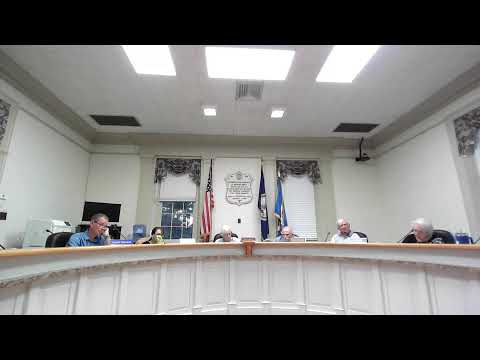
Wetlands board denies plan to convert man-made boat basin to vegetated wetlands at Bellevue Road
Summary
The Baptist County Wetlands Board voted to deny an application by Forrest and Molly J. Ward to restore a man-made boat basin at 1209 Bellevue Road to vegetated wetlands, citing lack of demonstrated need and concerns about construction impacts on surrounding marsh.
The Baptist County Wetlands Board voted to deny an application from Forrest and Molly J. Ward to restore a man-made boat basin at 1209 Bellevue Road to vegetated wetlands, concluding that the proposal did not demonstrate a sufficient need and risked damaging adjacent marsh habitat.
The application sought to convert a 7,200-square-foot man-made basin to vegetated wetlands, construct a 55-foot sill at the basin mouth, place about 450 cubic yards of beach nourishment inside the basin, and plant Spartina alterniflora across the restored area. The applicant’s agent described proposed dredging or placement options and said a turbidity curtain or limited dredging could be used to limit sediment escape during construction. The agent also cited VIMS-related concerns and recommended measures.
Board members who opposed the application said the basin is surrounded by healthy marsh and that there is no active erosion or functional need that would justify the disturbance required to convert the basin. One member said the project would “cause more damage to the existing wetlands” than the benefit of creating a small vegetated area. Another member said the application reflected a “want” rather than a demonstrated “need.” The board’s motion to deny cited lack of demonstrated need and potential harm from construction, including excavation, heavy equipment access and possible siltation impacts to nearby submerged aquatic vegetation (SAV) and marsh.
The agent told the board construction would use mats to protect wetlands during access, and that dredged or borrowed material could be used for nourishment; staff and VIMS suggested either removing silty material first or using a turbidity curtain to reduce off-site sedimentation. Board members asked technical questions about access, matting, turbidity curtains and where spoil material would originate; the agent said an excavator would be used and that heavy mats would be installed and restored afterwards.
Action details: the board voted to deny the permit. The motion to deny was made and seconded during the meeting. Speakers who recorded votes and explanations on the denial included board members who said there was no active erosion and that converting the basin would not be justified by need.
Next steps: the denial is the board’s final action at the meeting; the applicant may pursue appeals or refile with clarified need and mitigation measures. Any appeal would be governed by the appeal timelines read into the record (applicants may appeal to the Virginia Marine Resources Commission within 10 days).