
Riverview to move to automated curbside pickup; Stevens Disposal offers two‑cart policy and 60‑day transition
Get AI-powered insights, summaries, and transcripts
Subscribe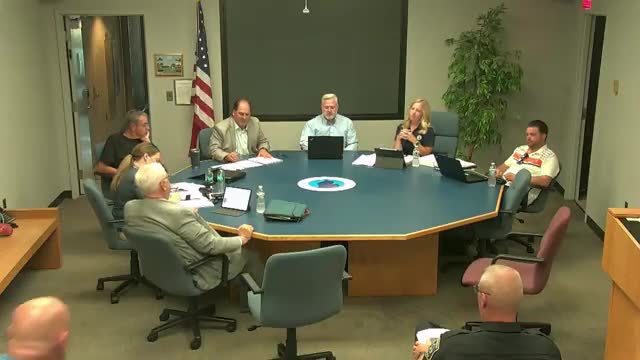
Summary
The city’s renewed contract with Stevens Disposal will shift routine curbside collection to automated trucks and carts; residents may request one of two included carts before an Aug. 22 transition window, the company said, and a 60‑day amnesty period will be used to contact households that need additional service or a second cart.
City staff and Stevens Disposal representatives told the Riverview City Council the renewed solid‑waste contract will move routine curbside collection to fully automated collection using wheeled carts. Stevens said the change aims to reduce loose debris, animal scavenging and broken personal cans while preserving the city’s current bulk‑pickup rules.
Kevin Shipman, Stevens’ point of contact, said the vendor will install automated trucks and encourage households to move ordinary household trash into the wheeled carts so the truck’s mechanical arm can collect them. “The change is we're moving to automation,” Shipman said. Stevens proposed providing one additional cart to households that historically set out extra bags or containers; the contract covers up to two carts per household, and additional carts beyond two would be available for $4 per month ($48 annually).
Why it matters: Automated collection reduces worker handling and scattered litter but requires residents to use standardized carts. City staff said bulk‑item pickup rules (for TVs, couches and other large items) will not change and the bulk pickup route will continue. Council members asked about holidays and heavy cardboard volumes; Stevens said the trucks will still run all streets and that bulk pickup will handle oversized or boxed materials that do not fit in carts.
Transition details and customer outreach
Stevens said it will publish a flyer and place notices in the city register and on the city website. The company proposed that residents request a second cart before Aug. 22 and that the city run a 60‑day amnesty period after the transition during which drivers will record addresses where bags and extra materials are placed so DPW can contact households about cart delivery. “We're putting in a 60 day item, if you wanna call it amnesty,” Shipman told the council.
Collection limits and exceptions
Under the contract, two carts are included; households that need more can rent additional carts for $4 per month. Stevens said very few households usually require three or more carts in comparable cities, and the vendor will work with DPW to track addresses that need extra capacity. Council members asked whether small personal cans and disassembled cardboard will still be collected; Stevens said bulk trucks will continue to pick up material that does not fit the automated arm and that drivers will record missed containers during the transition to prompt DPW follow‑up.
Ending
Staff said notices and a flyer will be published and that DPW will coordinate cart delivery for residents who request a second container during the transition. Council members asked for continued communication during holidays and for a clear contact path for missed collections.