
Downriver mutual-aid officials propose consolidated dispatch center; council raises staffing, prisoner and cost questions
Get AI-powered insights, summaries, and transcripts
Subscribe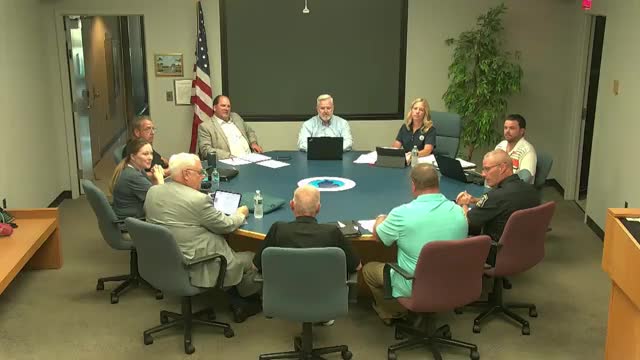
Summary
Officials from Downriver mutual-aid groups outlined plans for a consolidated 16‑position dispatch center in Wyandotte that they say could be operational by year’s end; Riverview council members pressed on staffing, prisoner handling, cost-sharing and the need for written contracts and logistics plans.
Officials representing a Downriver mutual-aid dispatch effort told the Riverview City Council they plan to open a consolidated public-safety dispatch center in Wyandotte with 16 public-safety answering positions and hope to be operational by the end of the year. The group said the consolidation could bring more consistent radio and call-handling policies across participating communities and allow pooled staffing for major incidents, but council members raised questions about costs, who will answer local administrative calls, prisoners and contract terms.
The plan, explained by Bob Heck of Downriver mutual-aid and Bob Matthews, the 9‑1‑1 director for DME, calls for a roughly 3,500‑square‑foot facility near the Wyandotte police department with 16 PSAP positions. “We expect that we're going to be operational by the end of the year,” Bob Matthews said. The presenters said the site will be built out in stages, with consoles installed starting Sept. 15 and additional connectivity work to follow.
Why it matters: Council members said Riverview faces both budget pressure and community expectations about local police presence. A consolidated dispatch could reduce duplicated radio and connectivity costs and free sworn officers now performing dispatch duties to return to patrol, the presenters said; at the same time, the city would need clear agreements about prisoner custody, administrative phone lines and how costs are allocated if member communities change participation.
What officials proposed and the questions raised
Downriver mutual‑aid leaders said the center would standardize policies across municipalities and provide surge capacity during major incidents. Bob Heck described the move as a response to costly upcoming state radio-network upgrades: “As we move to the next radio network, which is the state of Michigan radio network, that's pretty expensive,” he said. Heck and Matthews also said technology additions such as RapidSOS will be layered into the system to help locate mobile callers more precisely.
Presenters estimated staffing would come from existing agencies that join the center: Matthews said one partner intends to move 12 full‑time dispatchers and another community’s five dispatchers could transfer, producing roughly 17 full‑time dispatchers for initial operations. The council pressed for detail on staffing arrangements and asked whether current local part‑time dispatchers would be offered positions in the new center; presenters said “we may blend” staffing models and that some communities bring both full‑time and part‑time personnel.
Funding options and the 9‑1‑1 surcharge
Staff described multiple potential funding approaches, including a flat fee, a fee tied to calls for service or increasing the wireless surcharge that funds 9‑1‑1. “Right now, Wayne County receives 42¢ per line for cell phone use,” a presenter explained, adding that Michigan law allows rates up to $3 per line but that raising the surcharge would require legal review, a Wayne County ballot placement and political support.
Council concerns and outstanding logistics
Council members repeatedly pressed presenters about practical operations: who will staff physical police stations if a local lobby is empty, how administrative phone lines will be answered, how prisoner custody would be handled and whether local patrol response times could be affected. Chief Allen (identified in the presentation) and mutual‑aid staff said prisoners would remain the responsibility of local departments and that an answering tree or a staffed command phone would forward calls after hours. Officials acknowledged they have not signed contracts with participating communities and said they do not have final price guarantees yet: “We don't have a signed contract with anybody,” a presenter said.
The presenters recommended further study and contractual work before Riverview commits; council members asked for written logistics and cost projections to be returned to the council, including scenarios showing whether costs rise if one or more communities withdraw. The presenters said they would return with more precise staffing and budget numbers and noted that some technical work — console installation and network connectivity — is scheduled to begin this fall.
Ending
Council members said they want detailed, written answers about prisoner logistics, after‑hours phone handling, staffing guarantees and price guarantees before moving forward. Mutual‑aid leaders said the plan is intended to reduce duplication and improve surge capacity but acknowledged political, legal and funding hurdles remain, including whether a local or district surcharge increase is feasible and how costs will be shared if membership changes.